Tampa Theatre’s “Second Century” transformation
Historic renovation and modern upgrades are getting the Tampa Theatre ready for its 100th birthday.
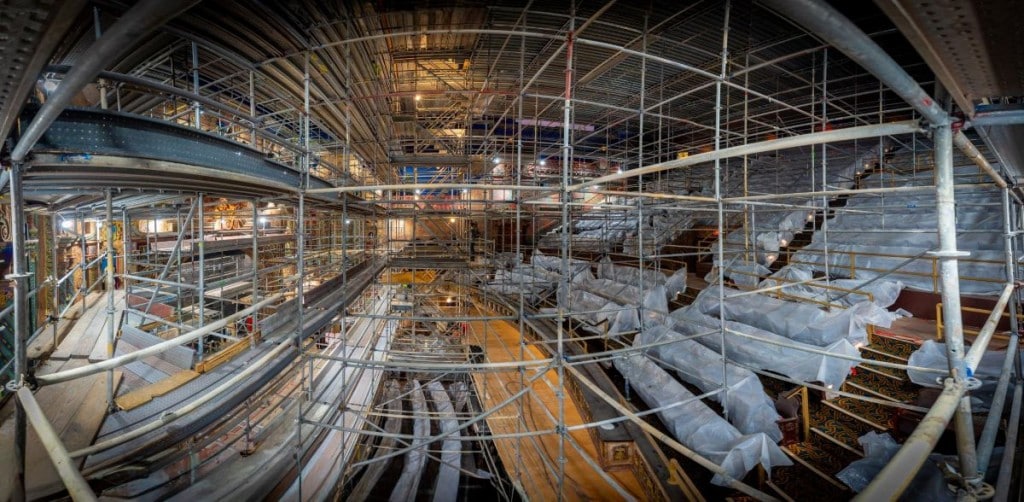
It will be October before the lights dim and the next show begins inside the historic Tampa Theatre’s Duncan Auditorium.
The downtown Tampa landmark is in the middle of a sweeping $24.5 million “Second Century” renovation, a years-in-the-making project to restore the auditorium to its past glory, repair or replace aged building infrastructure, and add modern technological upgrades. The auditorium closed for renovation on March 10th and is scheduled to reopen at the end of September, in time for the Tampa Theatre’s 100th birthday on October 15.
“We couldn’t think of a better time to fully and authentically restore the historic auditorium than to give it back to the community as it turns 100,” Tampa Theatre Vice President and Director of Marketing and Community Relations Jill Witecki explains.
The Taylor Screening Room, which opened in 2024, will continue to show movies and host events during the auditorium’s renovation.
Renovations, upgrades
“When you work in a one-hundred-year-old building, there are always maintenance things that need to be taken care of,” Witecki says. “We open our doors more than a thousand times a year, with more than 100,000 people coming through. So you take a one-hundred-year-old building, and you put that degree of wear and tear on top of it.”
Much of that wear is tied to the original design by famed architect John Eberson, whose “atmospheric theater” design style was defined by its twinkling night-sky ceiling and ornate, European-inspired details.
But the genius of Eberson was his ability to design beautiful movie palaces that could be built for a relatively low cost. The ornamentation on the ceiling and walls was plasterwork, a move that cut construction costs but required constant upkeep.
“The thing about plaster, though, is that it’s not the most sturdy building material,” Witecki said. “Tampa Theatre is in constant need of restoration, of care, of paying attention to those little elements that need to be touched up to keep it looking its best. So it was definitely time.”
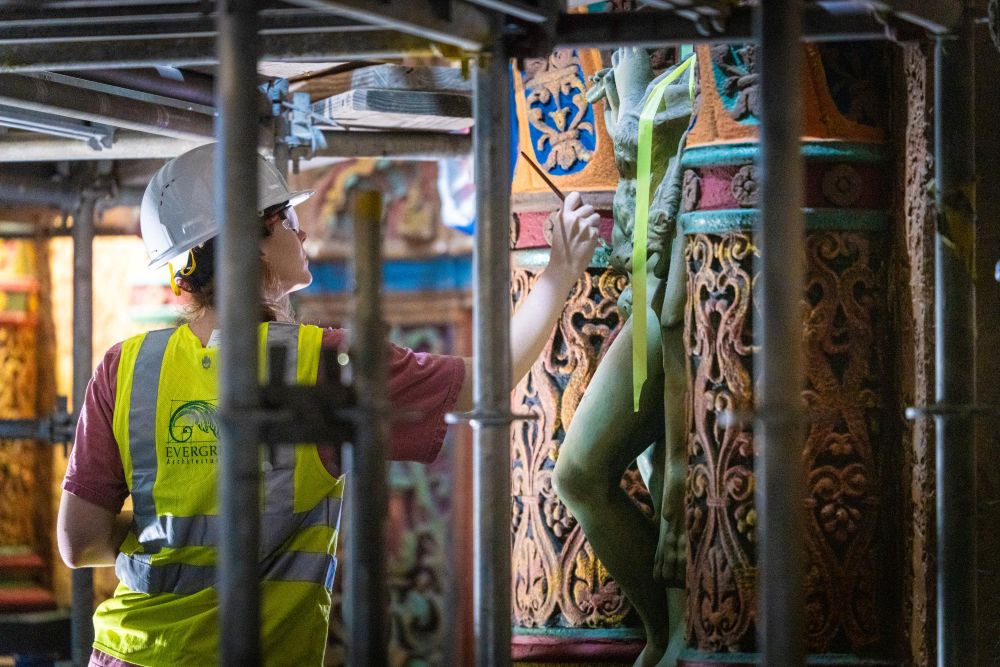
When the restoration is complete, audiences will notice the refreshed paint and repaired plasterwork, but much of the work is deliberately out of sight. Before restoration could begin, Witecki says crews had to address “the unsexy stuff,” like aged plumbing, outdated HVAC systems, and infrastructure hidden behind the walls.
“You don’t want to fix the walls until you fix the stuff that’s inside the walls,” Witecki says.
The project also includes upgrades to production technology, allowing lighting, sound, and other equipment to be more seamlessly integrated into the space, reducing the need for temporary setups during performances while preserving the theater’s historic look.
Transforming space
Beyond the auditorium, the renovation will transform storage and office space on two underutilized floors on the Florida Avenue side of the building into a dedicated education wing where the theater’s long-running film camps will expand into year-round programming for all ages.
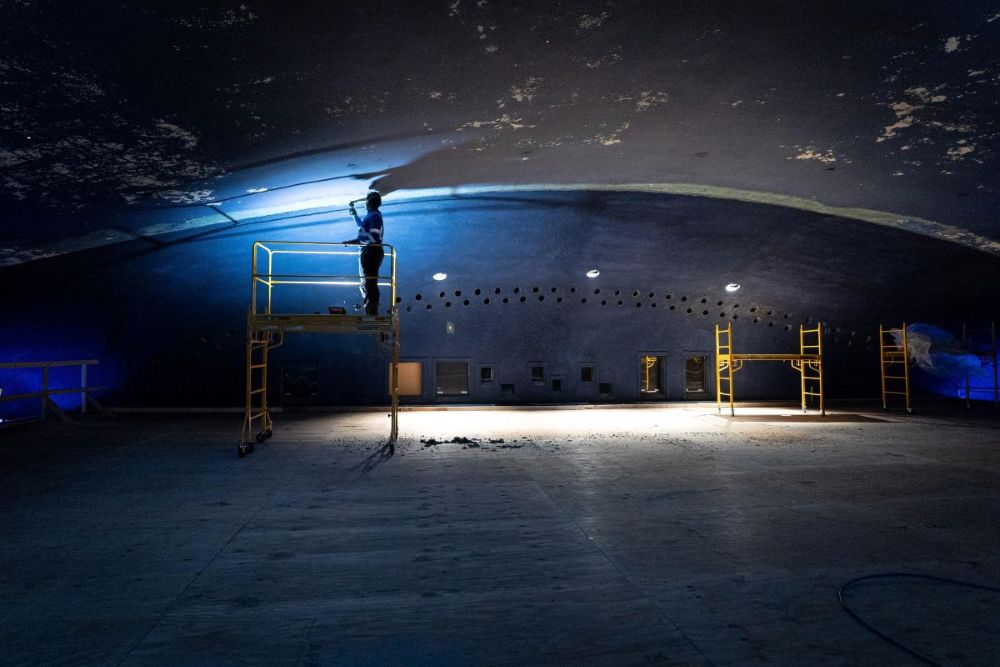
The restoration will preserve the theater’s historic look and feel and make modern improvements, such as ADA-compliant restrooms and technology upgrades, needed for the building to last well into the future. Witecki says that type of “authentic restoration” means preserving as many original features as possible and recreating missing elements using the same techniques as a century ago. When pieces of plaster are beyond repair, they’re remolded from surviving originals. Carpets and seats are replaced to match archival photographs.
“We have dozens and dozens and dozens of images of the building on opening day and during that opening time period that we can use as reference,” Witecki says. “We’re very fortunate that the owners of the building at the time took photos of everything.”
An emotional connection
For many longtime residents, the Tampa Theatre is more than a venue; it’s a milestone marker.
“You can tell a lot about a community by what it saves,” Witecki says, referencing the building’s near-demolition in the 1970s before local efforts preserved it.
Today, that decision echoes through generations. Witecki hears the personal stories each time she leads a tour group. People come up after the tour reminiscing about first dates with their future spouse, proposing to their wife in the auditorium, or getting married on the stage. Following a showing of “The Wiz” during the theater’s annual Black Love Classic Movie Series, Witecki says a woman from the audience came over with tears in her eyes and said her mother brought her there to see the movie 50 years ago. Now, she was there with her grandkids, watching the same film.
In an era dominated by streaming and digital experiences, Witecki believes the theater’s future remains strong, especially with younger audiences.
“What they’re really looking for is something real. You know, in this world of digital everything, they’re looking for a real honest experience, and there is no more real experience than coming to a one-hundred-year-old building, sitting with a thousand of your friends and neighbors and community members, sharing an experience and hearing the rest of the crowd around you,” Witecki says.
Clearwater’s Creative Contractors is the general contractor. DLR Group, with offices in Orlando, is the design firm. National firm EverGreene Architectural Arts is restoring plasterwork and preserving, restoring, and recreating the theater’s original decorative paint and finishes. The City of Tampa’s Downtown Community Redevelopment Area contributed $14 million toward the restoration of the city-owned theater.
For more information, go to Tampa Theatre Second Century
Related Articles

Comprehensive approach to improving early literacy producing results
Thrive by Five is a collaborative effort to reach families and children and improve school readiness. The goal is to have 65 percent of children ready for kindergarten by 2030.
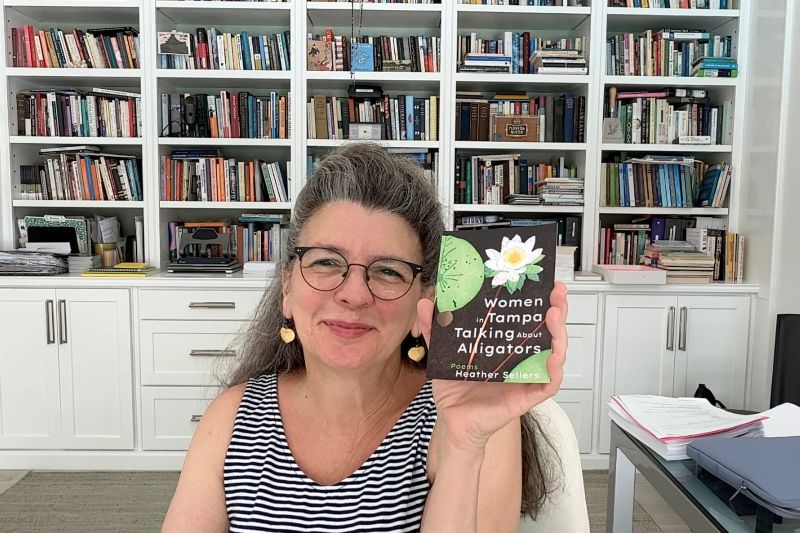
USF prof’s new poetry collection celebrates Florida’s daily rhythm
USF English professor Heather Sellers’ new poetry collection, “Women in Tampa Talking about Alligators,” is the final entry in a trilogy documenting her native Florida.
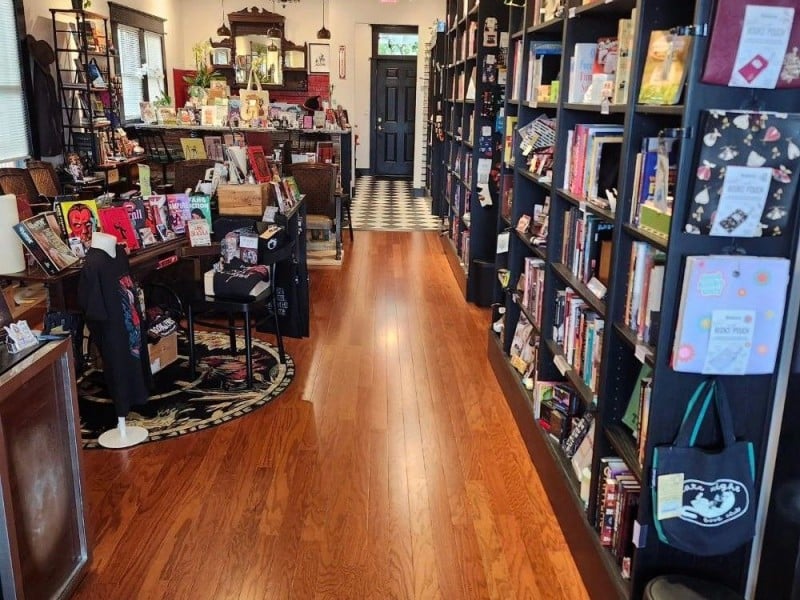
A new chapter for Tampa Bay’s independent bookstores
Across Tampa Bay, independent bookstores are making a comeback by offering a sense of place, distinct personality, and human connection that online retailers can’t match.