Summer water safety in Tampa Bay area
Several water safety programs for kids are active in Hillsborough County.
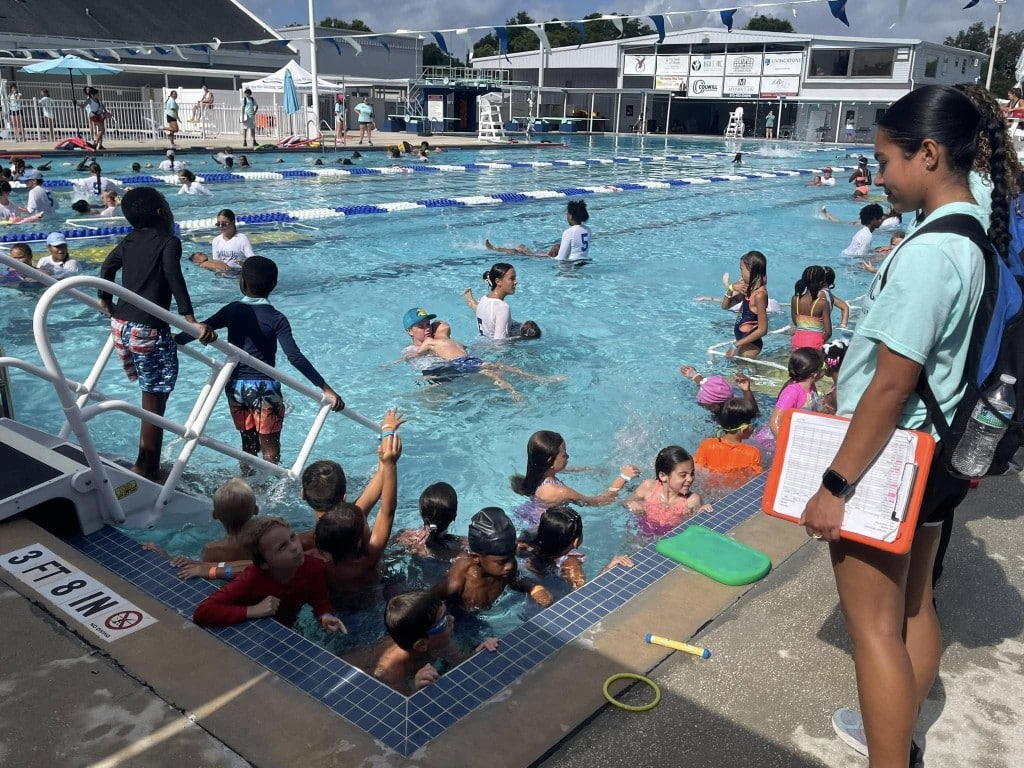
More than 50 children have died from drowning in Florida so far this year. Six died in the first two weeks of June. Drowning is the main cause of preventable death of children four and under in Florida, which leads the nation in child drowning deaths.
“That’s at or near the top of the worst for me, especially since becoming a father myself,’’ says Hillsborough County Fire Rescue Public Information Section Chief Rob Herrin, who has been on several such calls over his career.
While rescuers are trying to resuscitate the child, their training takes over and lets them do their job. But later, perhaps as soon as they get back to the truck, the enormity of what just happened hits them, Herrin says.
“And it hits you like a tidal wave,” he says.
To help prevent child drownings, several programs in Hillsborough County offer free swimming and water safety lessons for families who otherwise might not be able to afford them.
Available resources
This summer, the Children’s Board of Hillsborough County, which funds nonprofit programs that help children and families, awarded the YMCA a grant for water safety programs, including free swimming lessons for children, lifeguard training for teenagers, CPR certification classes, and babysitting training to prevent accidental drownings. Those services are available at multiple locations across the county, says Children’s Board Executive Director Rebecca Bacon.
The board is also funding Water Smart Tots, a preschool water safety education program that provides scholarships for survival swimming lessons to underprivileged children.
In the Bay Area, backyard swimming pools, rivers, lakes, canals, retention ponds, the Atlantic Ocean, and the Gulf of Mexico all pose a drowning threat to children. That’s why programs like Water Smart Tots are important, Bacon notes.
“We’ve got water everywhere you turn,’’ she says.
Hillsborough County and the City of Tampa provide free swimming and water safety lessons. Each spring and fall, the county’s parks and recreation staff transports pre-school age children enrolled in the Head Start program to swimming lessons. The county also brings selected children ages 6 to 12 to parks and recreation facilities and Boys and Girls Clubs summer camps for swimming lessons. It’s part of the Swim Safe program, created by the County Commission in the 2015-16 school year, says Hillsborough Parks & Recreation Community Relations Coordinator Mikah Collins.
Collins says the program assesses the children’s swim skills and puts them through eight lessons focused on four distinct skills – waterside safety, entry and exit safety, submerging safety, and floating on the back safety.
Since Swim Safe’s inception, some 12,000 children have gone through the program. Collins says about 3,400 children will go through it this year, and approximately 90 percent will finish the course with more skills than they had before.
City of Tampa swim instructors typically give 10,000 lessons a year to more than 1,000 kids in the 11 city-run pools, says Louis Campanello, the city’s aquatics team supervisor.
About 75 percent of the kids receive free swimming lessons through scholarships donated by organizations such as Hillsborough County, the Hillsborough Water Safety Team, St. Joseph’s Hospital, and the Tampa Bay Rays.
“Even when they are not free, they are twenty-four dollars for eight lessons,’’ Campanello says, adding that the price hasn’t changed in the 30 years he’s been with the city.
Safety measures
Hillsborough County Code Enforcement requires homeowners to have barriers around their pools as a safety measure against accidental drownings. Pool fences must be at least four feet high and have a self-closing, self-latching gate, says Hillsborough County Code Enforcement Division Director Jon-Paul Lavandeira.
A screened enclosure is acceptable as a barrier if the screening is intact and the door is self-closing and self-latching, he says.
“The pool itself has to be clear so that you can see to the bottom,’’ Lavandeira says. “The reason for that, obviously, is – God forbid – that scenario happens where the child is in the pool, you can see (the child). Because if you have a black swimming pool, you may not be able to see something in there.’’
Code enforcement officers often find that empty homes in foreclosure have violations because the pool has not been maintained, and the water has turned black. Code enforcement goes after the banks holding the mortgages to correct the problem.
“We give a high priority to it if it’s a pool situation. We consider it life safety,’’ Lavandeira says.
Sometimes a tragedy occurs when a toddler gets out of the house without the parent or caregiver knowing. That’s why safety experts recommend that locks on all doors to the outside be placed high up. Homeowners can also install alarms on pool fence gates and in the pool itself; it sounds when something hits the water.
What you can do
Herrin, the public information officer for Hillsborough County Fire Rescue, recommends learning CPR.
“If the worst does happen, bystander CPR being done when we get there really improves the chances of survival,’’ he says.
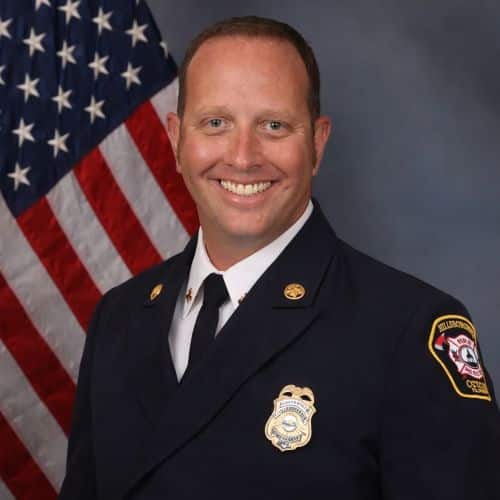
He stresses that the best safety measure is to have a designated responsible adult whose sole job is to watch the children in the water, especially during pool parties.
“Honestly, if you think about it, if everyone is watching the kids, then probably nobody’s watching the kids, because they’re talking, or they’re distracted by their phone,’’ he says.
“Something to keep in mind in the real world: drownings don’t really happen like they do in the movies, where they’re flailing or making all kinds of noise to get attention,’’ he adds. “Drowning is often silent. A child in distress may not be able to call for help or wave or splash, and it can happen in seconds.’’
For more information, go to Children’s Board or call (813) 229-2884.
For information about the City of Tampa swimming lessons, go to Tampa swimming and water safety
Author

Related Articles
Comprehensive approach to improving early literacy producing results
Thrive by Five is a collaborative effort to reach families and children and improve school readiness. The goal is to have 65 percent of children ready for kindergarten by 2030.
Hillsborough Children’s Services, TPA turn unclaimed luggage into Duffels of Dignity
Tampa International Airport has partnered with Hillsborough County Children’s Services’ Duffels of Dignity program to donate unclaimed luggage to foster youth and at-risk children.

Partner Partner Content JWB’s Turbo Babies supports parents as their child’s first and best teachers
Turbo Babies offers families free “Pit Crew” bags filled with books, toys, and brain-building activities because 80 percent of brain growth occurs in the first three years of life.