University of South Florida Introduces Robot That Tweets
USF marine systems engineer and inventor David Fries worked with a team from USF's College of Marine Science Systems Technology Group to turn an autonomous underwater vehicle into a solar-powered marine observing and reporting system.
Used to be, bright yellow gliders patrolled the Gulf of Mexico and sent information back to marine scientists, who would then interpret the data, translating information about water conditions into English for general consumption.
But cool robots are making a big splash in Gulf waters lately. Their collective name is Tavros and they’re using Twitter to communicate underwater findings, eliminating the translation step and making marine scientists’ lives a lot easier.
USF marine systems engineer and inventor David Fries worked with a team from USF’s College of Marine Science Systems Technology Group to turn an autonomous underwater vehicle into a solar-powered marine observing and reporting system. TAVROS stands for Autonomous Vehicle and Remotely-Operated Sensing, but tavros also happens to be the Greek word for bull, which happens to be the University of South Florida (USF) mascot.
Fries explains how tavros works:
“Tavros senses things in real time and translates it to visual information,” explains Fries. “The sampler analyzes it. So what Twitter does is communicate all that by translating it from 1s and 0s for a large number of users who would benefit from that info.”
Fries says Tavros is the result of combining technologies. “A solar vehicle by itself has limited ability in its ability to use sensors. So we decided that we would marry the solar with an autonomous robot. We could just load it up with technology from there. Twitter is its voice.”
Fries says his personal interest in robotics was borne from experience as a father observing his growing children. “I have four children,” says Fries. “And watching them grow up, I realized they’re basically mobile robots in that they are sensorial beings — continually taking in sensory info. Robotics operate in much the same way.”
Fries’ team is working on refining the process to address things that appeal to the general public such as fishing conditions, red tide bloom development, oil contamination or other suspicious underwater scenarios.
You can follow Tavros on Twitter via @tavros02.
Writer: Missy Kavanaugh
Source: David Fries, University of South Florida
Related Articles
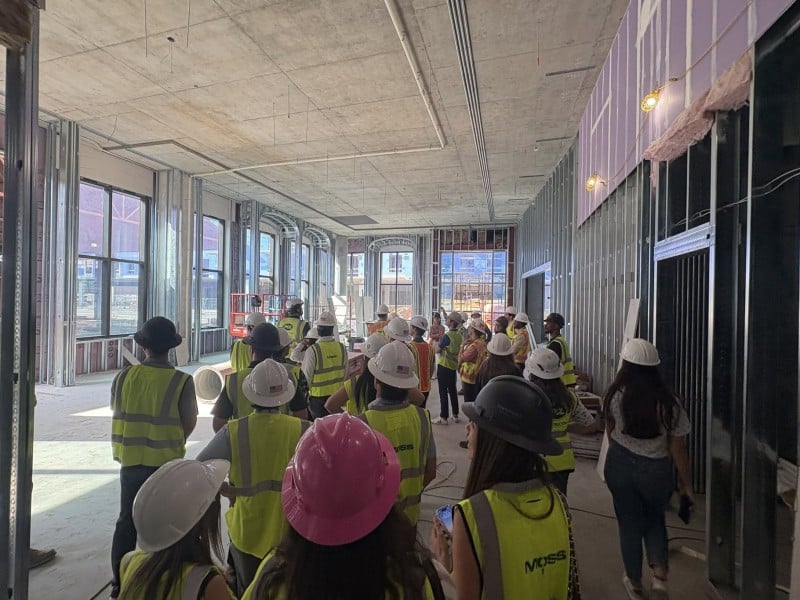
ULI Tampa Bay launches two new leadership events
Two new ULI Tampa Bay events will bring together land-use and real estate professionals for regional tours, networking, and leadership development.
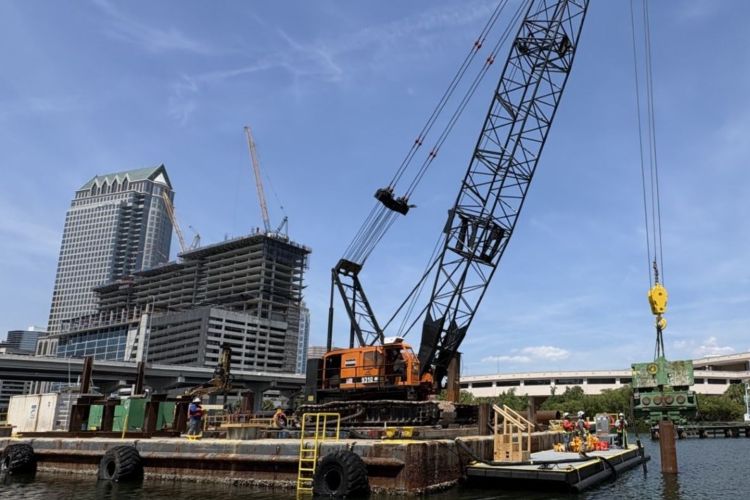
Tampa’s West Riverwalk expansion rolling along
Part transportation project, part economic development catalyst, Tampa’s West Riverwalk expansion is taking shape.
Manor Riverwalk construction begins
Luxury residential tower Manor Riverwalk is the first piece of developer the Related Group’s planned Riverwalk District.