Safe, scenic way to bike across Tampa Bay
The Howard Frankland Bridge shared-use trail and a pedestrian overpass on Pinellas side of Courtney Campbell Trail open this year.
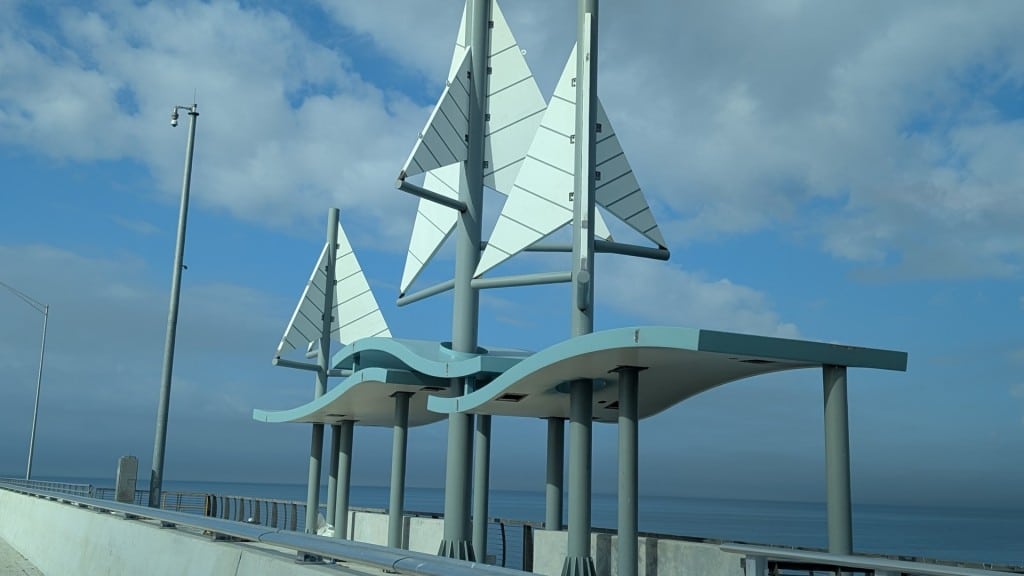
Two Florida Department of Transportation (FDOT) bike-ped projects for crossing Tampa Bay between Hillsborough and Pinellas counties are slated to come online this year.
The long-awaited shared-use path on the new southbound span of the Howard Frankland Bridge should open in the spring. At the Pinellas end of the Courtney Campbell Causeway, a pedestrian bridge opening by the end of 2026 will carry cyclists, walkers, and joggers over State Road 60 to connect the north-south Bayshore Trail to the Courtney Campbell Trail.
The path along the Howard Frankland can make biking across the bay a viable commuting option, says a bike safety advocate.
“For anybody outside of a car, we had nothing over the Howard Frankland, nothing,” says Christine Acosta, a founding member of the nonprofit advocacy organization Walk Bike Tampa and owner of Pedal Power Promoters. “This is going to be a real game changer for people who want to cross the bay and not be stuck in traffic.”
Looking ahead, Acosta also believes the Howard Frankland path will become an iconic piece of a regional bike trail network.
“People will put that on their bucket list, to travel to Tampa and travel this bridge and bike over it,” Acosta says. “People will get engaged overlooking the water.”
The Courtney Campbell project’s primary focus is safety and connectivity for recreational users. Built over State Road 60, the pedestrian bridge will connect the north-south Bayshore Trail to the Courtney Campbell Trail.
FDOT District Seven Bicycle & Pedestrian Coordinator Jensen Hackett says there’s no history of serious injuries or fatalities involving cyclists crossing SR 60 at that point. Hackett says because FDOT considers the route a recreational trail, not a commuter trail, it’s deemed unsafe for some of the recreational users who ride it. The pedestrian bridge eliminates the need to cross six lanes of SR 60 where the speed limit is 50 mph.
“It can kind of seem daunting to go ahead and cross that facility,” Hackett says.
FDOT Pinellas Operations EngineerJulie Ostoski says construction is approximately 55 percent complete and on schedule to wrap by the end of 2026, barring any hurricane delays.
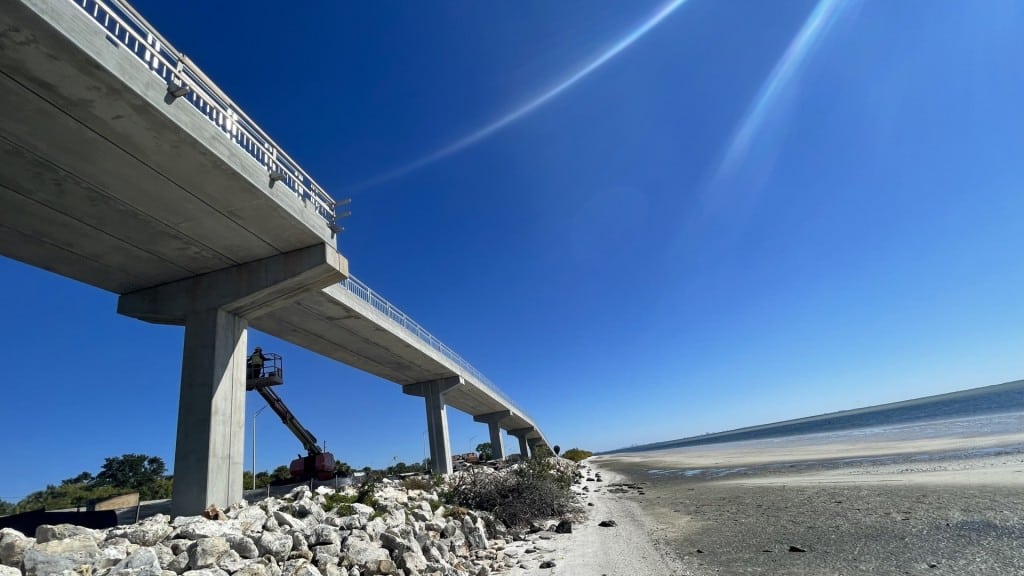
“If you drive past now, you can see one of the portions, half of it’s pretty much done,” Ostoski says. “You can now sort of picture and see how it’s going to look and feel when it’s complete, so it’s moving along.”
FDOT planners say projects such as the Courtney Campbell overpass represent a shift in how transportation infrastructure is evaluated. Hackett describes the project as “a bigger piece that fits into that larger puzzle” of “how do we move pedestrians, bicyclists, skateboarders, and whoever might be utilizing this facility to get to where they want to go from where they’re coming from.”
Acosta says infrastructure projects that improve pedestrian and cyclist safety address a huge community issue in the Tampa Bay area. National nonprofit Smart Growth America’s “Dangerous by Design” report consistently ranks the Tampa-St. Petersburg-Clearwater metropolitan area in the country’s 10 most dangerous for pedestrians. Acosta says the problem stems from decades of road design that prioritized vehicle speed over all other considerations.
For more information, go to Howard Frankland project and Courtney Campbell overpass
Related Articles
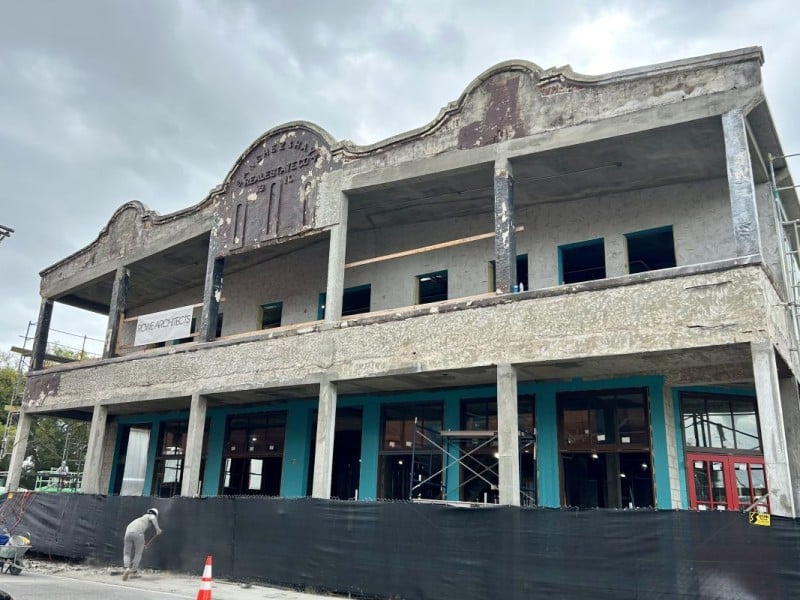
Ybor updates: Sanchez y Haya restoration, Gasworx music venue
In Ybor City, Sanchez y Haya restoration hits milestone, Gasworx opens second residential building, announces music venue.
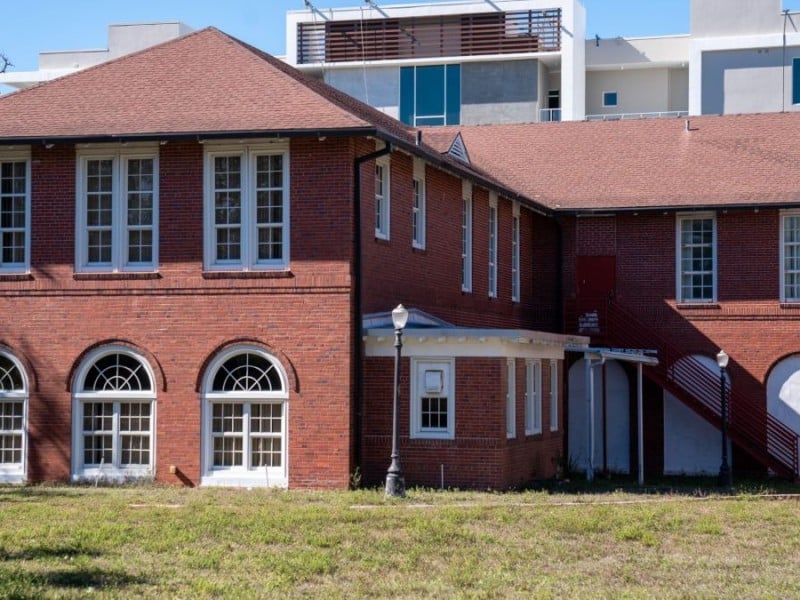
Partner Partner Content Clearwater envisions new life for historic North Ward Elementary
Clearwater officials envision mix of historic renovation and new construction breathing new life into long-vacant North Ward Elementary.

Fast-growing Wesley Chapel gets new library
Wesley Chapel Library has already emerged as a community gathering place.