Tampa Monarch Project founder inspires through eco-education initiatives
Want to see more monarch butterflies around your neighborhood? Learn how from award-winning Apollo Beach Elementary School teacher and founder of the Tampa Monarch Project.

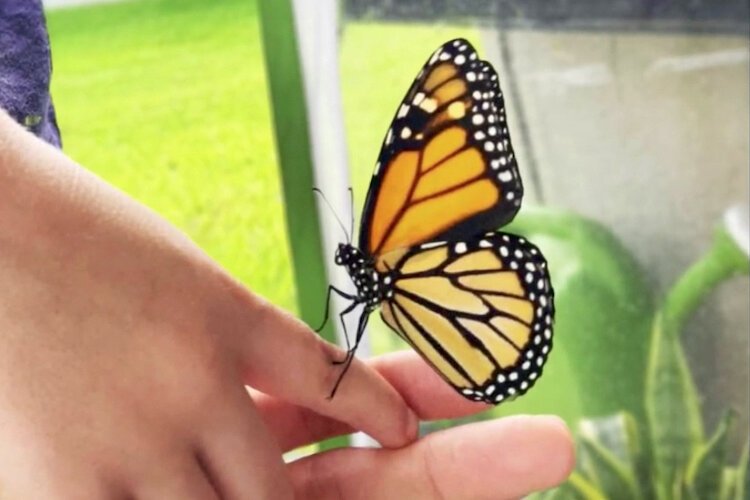
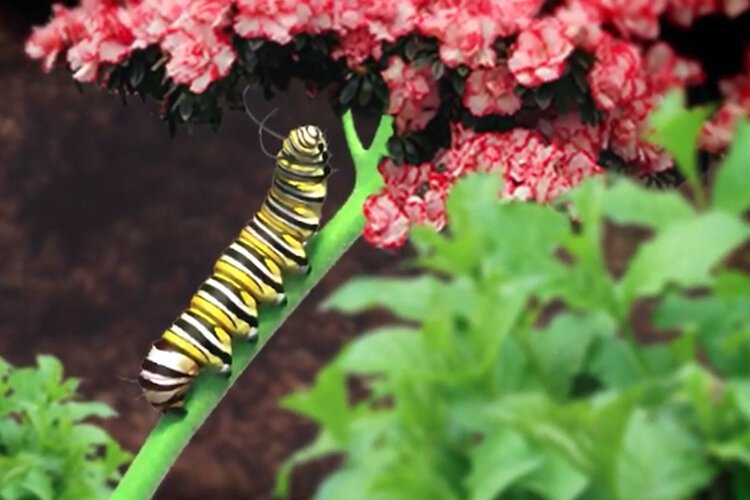
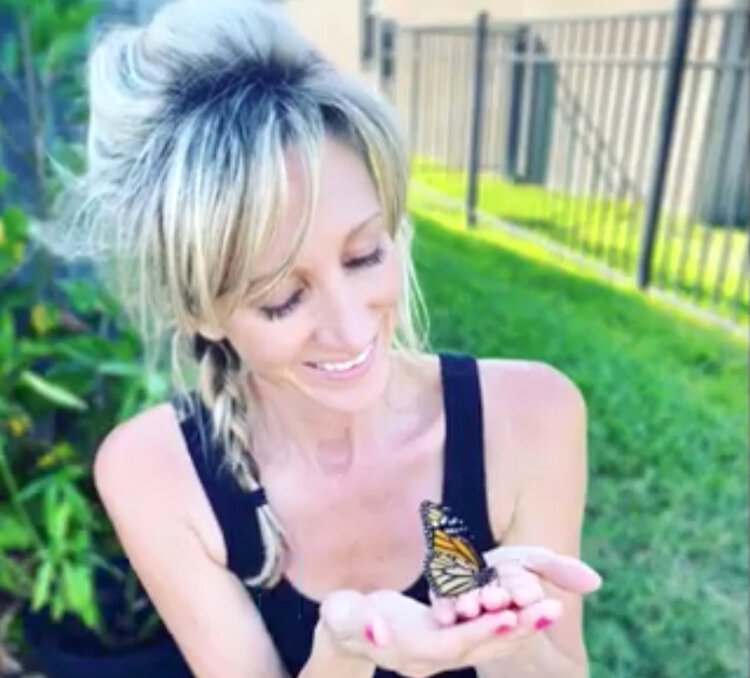
How does a New Jersey girl become a Florida-based National Harmony Hero? She falls in love with her college sweetheart while attending the University of Florida, becomes a wife, mother, teacher, and, like the butterflies she loves, transforms herself into something beautiful — a dedicated advocate for environmental education.
The Harmony Hero Award is an initiative of EarthKind, which, according to their website, is a woman-owned group of artists, scientists, and nature lovers that develop naturally effective plant-based solutions to keep pests away from treated areas without killing or poisoning them. The Harmony Hero Award was created as a way of recognizing and supporting teachers across the country who inspire students through eco-education initiatives.
Gloria Brooks began her teaching career with the Hillsborough County School System at Apollo Beach Elementary School. After her children were born, she wanted to be with them as much as possible. Becoming a teacher at the Riverview Montessori school provided that opportunity, and it provided the kind of early education she wanted for them.
That education included a focus on nature, led by the school’s President and CEO Rohini Rustogi, who Brooks describes as a wonderful mentor, and “very knowledgeable about botany and plants.” That knowledge extended to the school having its own butterfly garden.
While learning about various butterflies and their host plants, Brooks discovered that Monarch populations were decreasing at alarming rates due to loss of habitat and use of pesticides. She became determined to do as much as she could to reverse that trend by founding The Tampa Monarch Project.
Today, Gloria Brooks uses social media and in-person presentations to encourage people to plant butterfly gardens. Her Facebook page, the Tampa Monarch Project, offers guidance as to how to attract Monarchs and other butterflies to your garden.
It’s not as simple as one might think to do so. Every butterfly has a preferred “host plant,” the only plant where they will lay their eggs. To maintain and especially to increase the butterfly population, those plants need to be available. In the case of the Monarch, that plant is Milkweed. And not just any Milkweed, not the kind you buy at most commercial nurseries or big box stores. Florida Monarchs need Swamp Milkweed, which is native to the state. One of Brooks’ favorite sources for Swamp Milkweed is Sweet Bay Nursery in Parrish in northern Manatee County.
Gloria Brooks’ reputation is spreading. She recently received a monetary grant from a local PTA to help continue her work. She is frequently asked to speak, especially at schools. And she’s been producing ‘how to’ videos showing what to plant, and where to plant for optimum results. She emphasizes that you don’t need a lot of space, you can attract Monarch butterflies simply by planting Milkweed in containers or raised beds.
Brooks says she believes it’s important for Floridians to know that because of our climate, we have a permanent Monarch population. Our Monarchs don’t migrate, they live their entire life cycle here among us and are an important part of our agricultural system.
“Bees seem to get all the credit for being pollinators, but butterflies are just as important,’’ Brooks says. “We need them to be able to grow our food.’’
As development increases, it’s up to us to replace their habitat. They need our help and it’s so easy. All we have to do is plant native Milkweed and add nectar flowers to our home and school gardens.
The reward? It’s good for the butterflies and it’s good for our souls to be surrounded by natural peace and beauty.
Author

Related Articles

Ybor updates: Sanchez y Haya restoration, Gasworx music venue
In Ybor City, Sanchez y Haya restoration hits milestone, Gasworx opens second residential building, announces music venue.

Prodigy: 25 years (and counting) empowering youth through the arts
For more than 25 years, Prodigy has used the arts to make a positive difference in the lives of youth.

Partner Partner Content Clearwater envisions new life for historic North Ward Elementary
Clearwater officials envision mix of historic renovation and new construction breathing new life into long-vacant North Ward Elementary.