Enterprising Latinas envisions Wimauma as food destination
Nonprofit organization Enterprising Latinas creates positive change in Wimauma while working to preserve and promote the history and culture of the Hillsborough County community.
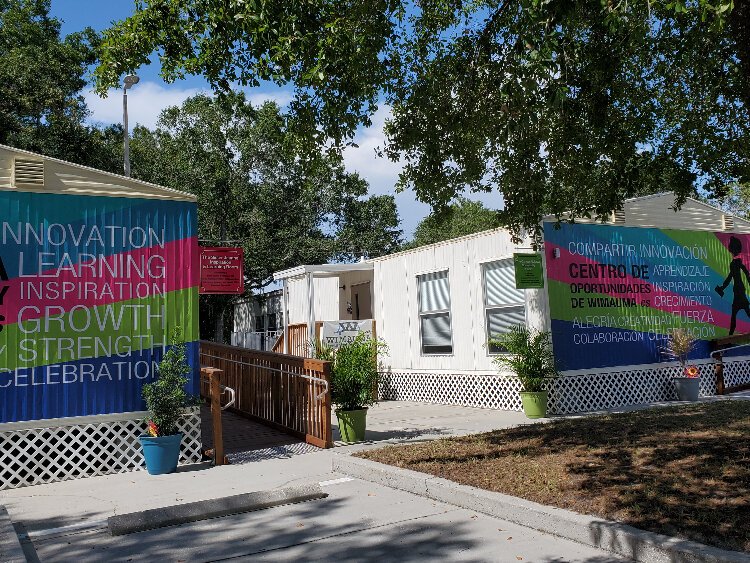
Nonprofit organization Enterprising Latinas creates positive change in Wimauma while working to preserve and promote the history and culture of the Hillsborough County community.
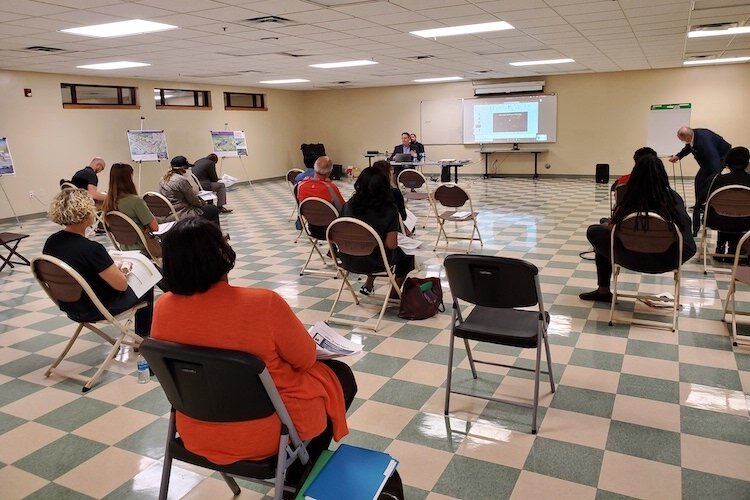
East Tampa residents are working with the City of Tampa and a private consultant to help shape the future of their neighborhoods.
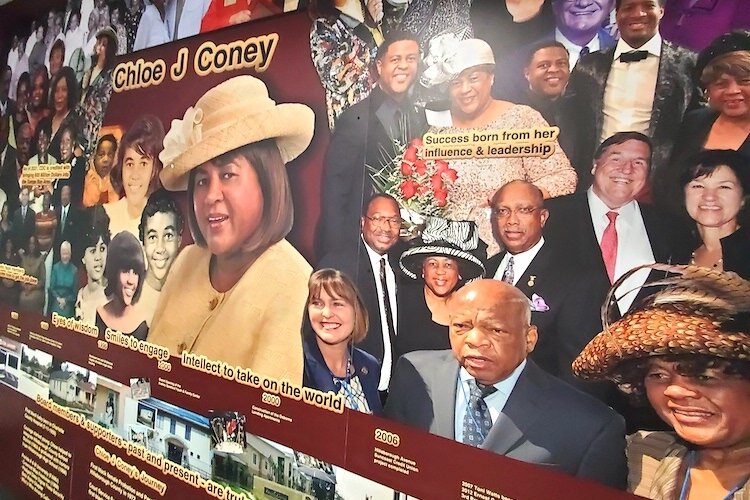
The legacy wall honoring Chloe Coney depicts images from Tampa's history over the last 70 years. It was created by Artist Ersula K. Odom.
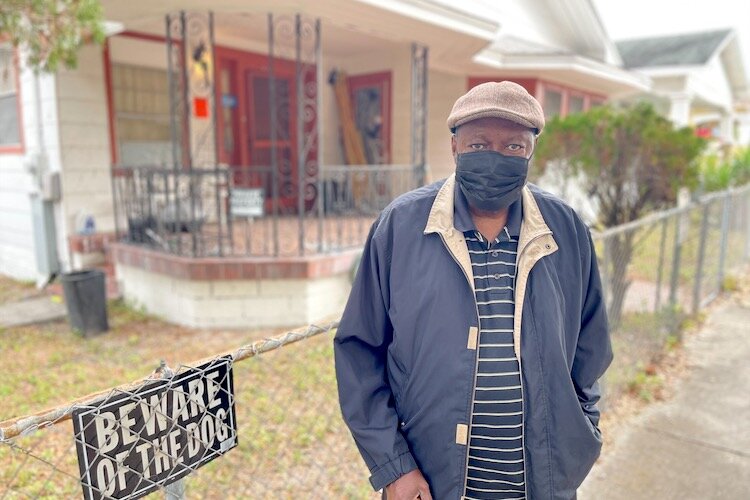
East Tampa homeowners who can't afford necessary home repairs are eligible to apply for new grant funding set aside by the Community Redevelopment Area board.
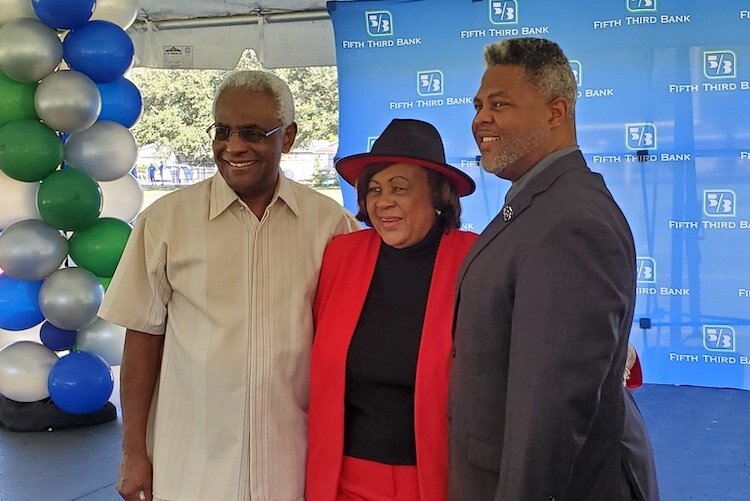
East Tampa will be the beneficiary of new loans, private equity, and philanthropic support designed to close equity gaps in the historically black community.
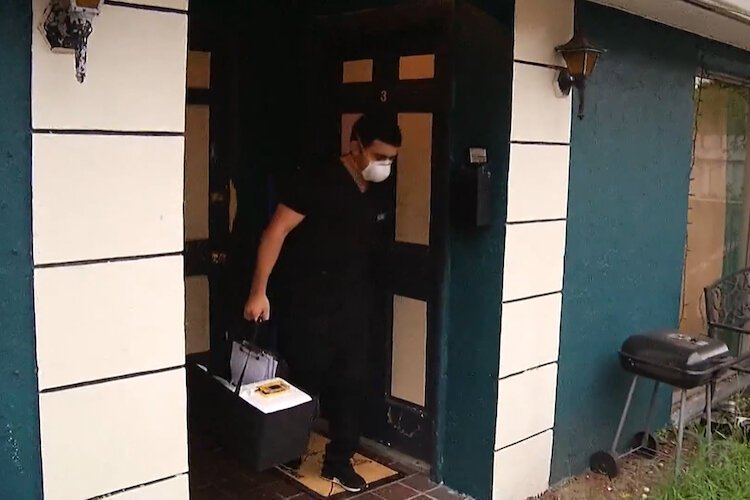
In an effort to help the hesitant or those who are homebound for whatever reason, independent pharmacy DeliveRxd in Carrollwood offers free delivery of a COVID vaccine to your home in Hillsborough or Pinellas counties.

Photographer Fred Bellet stopped by to chat one day with the Founder of Bae's Burgers along impoverished North Nebraska Avenue in Tampa. That conversation led to a feast for the eyes: Walls covered in iconic photos of Florida.

Restoration of the Jackson House, a historic boarding house once patronized by many well-known black musicians and public figures visiting Tampa, gets underway thanks to the perseverance of community members and generous donors.
The nonprofit needs list keeps growing in the Tampa Bay Area as community members struggle in the aftermath of COVID-19. Philanthropic groups are supplying basic needs and providing more targeted services that address education, arts and culture, animal welfare, domestic abuse, housing, financial aid, and job searches.
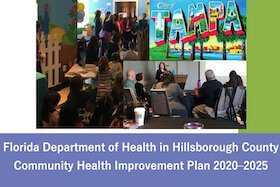
The 2019 Community Health Assessment assessment and plan -- completed before the arrival of COVID-19 -- found health inequities for poor people and people of color that "are systemic, avoidable, and unjust.''
Our Partners