What’s Next For Florida: Brian J. Seel, Tampa
In this call to action to fellow Millennials, Brian J. Seel of Tampa urges young professionals to unleash the power of their intellectual capital and creative potential in response to the challenges and opportunities afforded by the new economy.
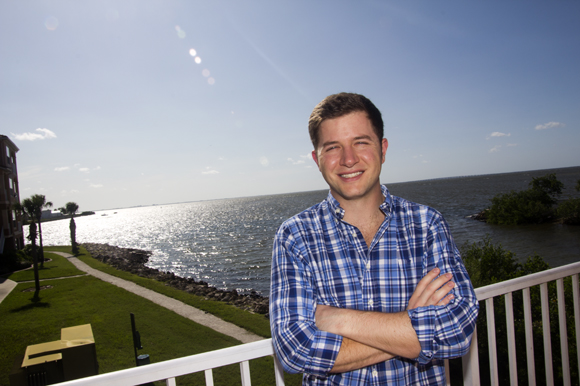
Editor’s note: In thinking about “What’s Next For Florida,” young professional Brian J. Seel opines about what he envisions on Florida’s horizon. 83 Degrees Media invites young professionals to submit opinion columns of 600-800 words describing what they would like to see next in Florida’s future. Email tips@83degreesmedia.com.
We, the members of Generation Y, also known as the Millennials, have found ourselves at as unique a moment in history as any other generation. We face innumerable economic, political and social challenges. The prevailing attitude of many of those around us — traditional media, our bosses, our parents and our peers — is too often one of doom and gloom. No one knows with certainty how long it will take to return to the economic robustness of the last decade. And it doesn’t help that strident views and trading insults passes today for political discourse. Unfortunately, our generation has been disproportionately affected in terms of job opportunities, career growth and potential lifetime earnings.
Tampa Bay is a microcosm of the country as a whole, in that we are a bellwether of the economic malaise that plagues the national conscience. But, while there are plenty of reasons to be discouraged, we cannot allow ourselves to succumb to any one of them. Instead, we must unleash our incredible potential.
At this pivotal moment, we need to invest in ourselves, think outside the box, attempt the unconventional and capitalize on the power of our ideas. First, we can redefine our concept of value. Every economic bubble, such as the real estate bubble of the 2000s, is a type of rush, echoing the gold rushes or oil rushes of past generations. Individual actors continually overestimate confidence in their investments, surrounded by success stories and an alluring return, which foments “group think.”
Our generation has to alter the way we approach investment. It must be sustainable. I am not arguing that settling for investments with a lower rate of return is a safe strategy, but that true consideration must be given to the longevity of investments. On the other hand, our economy needs an extremely rapid rate of growth. That requires a determination to invest and an undaunted willingness to take risks. In order to balance a risk-taking attitude with an assurance in the wisdom of our decisions, the sustainability of those decisions should be measured by their value-added factor. We obviously want to know the answer to the question “How much will I profit from this investment?” Nonetheless, we must know the answer to a second question before making a decision: “What is the true value added to society/the company/my family/etc. of my investment?”
This is the point at which Millennials become crucial. As a young, unmolded and thoroughly fed-up generation, we are poised to embrace a new definition of success. Commit yourself to value-added innovation. Explore new ideas, methods and products that pop into your head. Cast aside the platitude that “this is the way it has always been done.” Challenge conventional wisdom and authority. That’s right, I said it — challenge authority. However, make it a constructive challenge. Provide fully formed ideas, answers and action plans to your superiors and colleagues. If they don’t want to hear it, take your ideas elsewhere. That is how you create leadership from the bottom-up.
Second, we need to determine where the greatest opportunities for long-term success lie and how we go about seizing those opportunities. The initial step, as previously stated, is to adjust our attitude toward taking value-added risks. The ensuing action is to examine which societal, economic, industrial and ethical constructs need a systemic rehabilitation. The American economy is rife with inefficient policies, outdated processes and technological weaknesses in every possible field. Take advantage of those opportunities to find a worthy venture. Do inadequacies exist in political discourse, energy generation, e-commerce, transportation, accounting, management and logistics? Absolutely. We ought to fight to solve those shortcomings and rise to the top of our respective fields. Don’t solely work to meet the demands of today, but look ahead to determine the needs of the future and position your career accordingly. You will have much greater long-term success by thinking one step ahead of the competition. Easy money is simply too good to be true, which is why bubbles exist. The market corrects itself when people find that there is no tangible value to an inflated commodity. So let’s take the time to analyze the longevity of our pursuits; we will surely guarantee the stability of our success.
This brings me to my final point: We’re going to redefine the American Dream.
With the mounting challenges facing our country, state and region, a generation of young leaders needs to rise to address critical issues such as economic innovation, environmental security, quality of life, community activism and personal responsibility.
Brian J. Seel, a University of Florida grad who lives in South Tampa, is a construction manager by trade and a political activist at heart with a passion for growth and development issues. He considers himself an eternal optimist, a source of useless trivia and an amateur connoisseur of barbeque. Comments? Contact 83 Degrees.
Related Articles

Spring training in full swing across Bay Area
Grapefruit League spring training runs through March 24th.
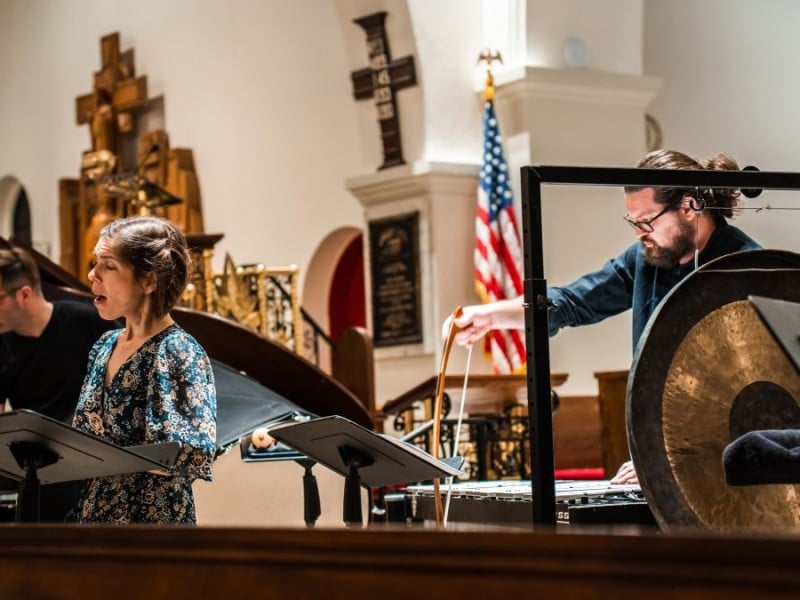
Be aware the arts of March
CAMPGround 26, the Gasparilla International Film Festival, and Tampa Bay Design Week are some highlights.
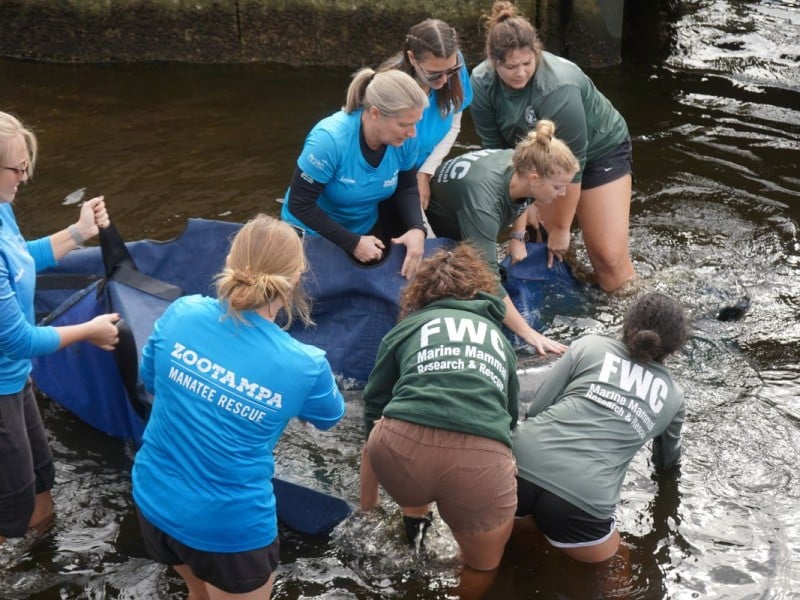
ZooTampa expands manatee care
ZooTampa follows record year for manatee releases with upcoming opening of Straz Family Manatee Rescue.