Tips for visiting Cuba: Tampa arts group shares insights
So you want to go to Cuba, but you don't know what to expect? See images and read impressions from a Tampa group that recently visited the island just 90 miles south of Key West, Florida.
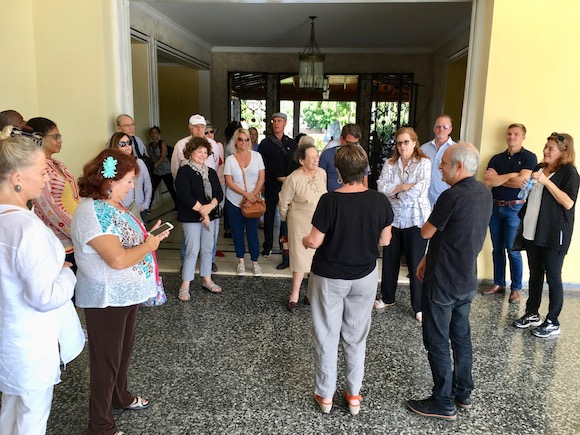
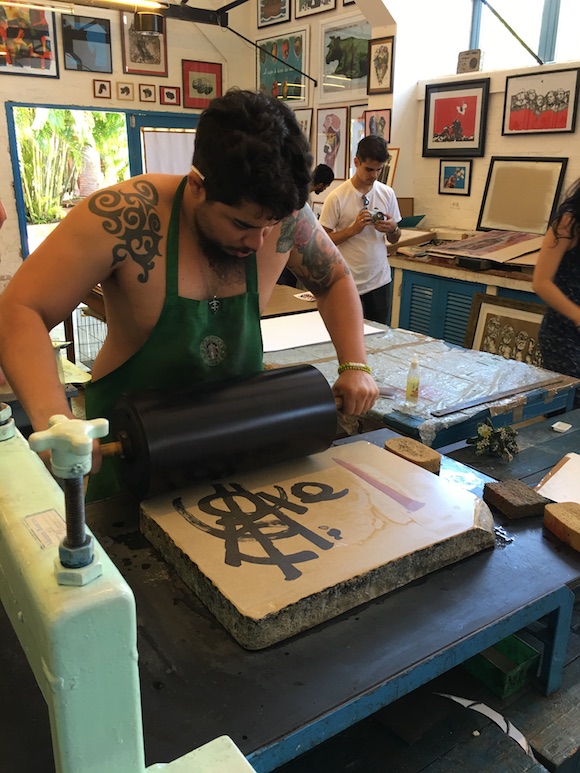
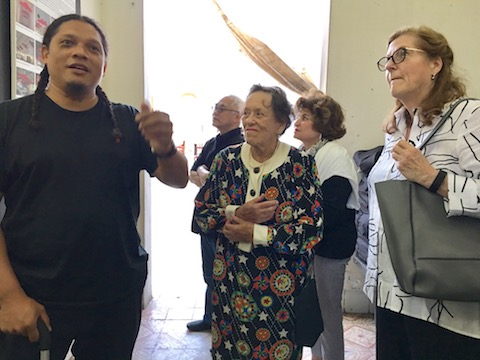
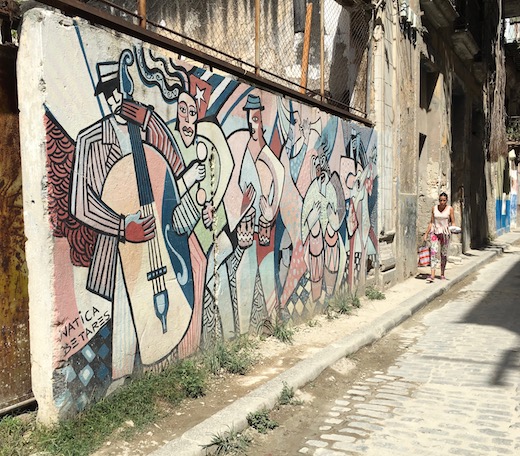
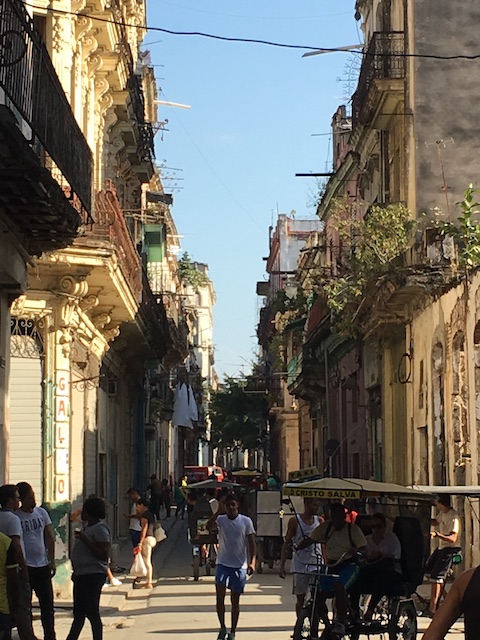
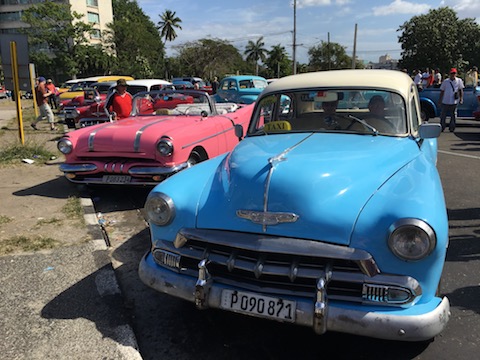
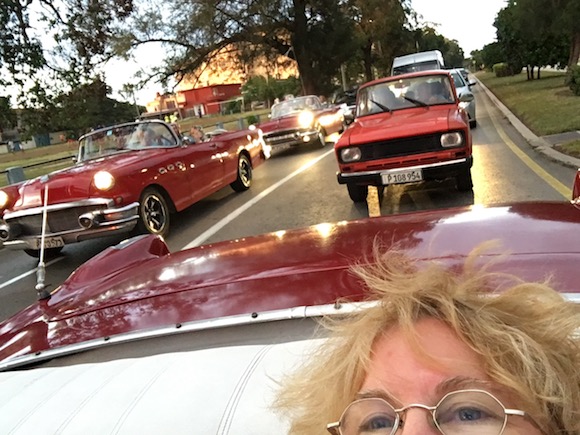
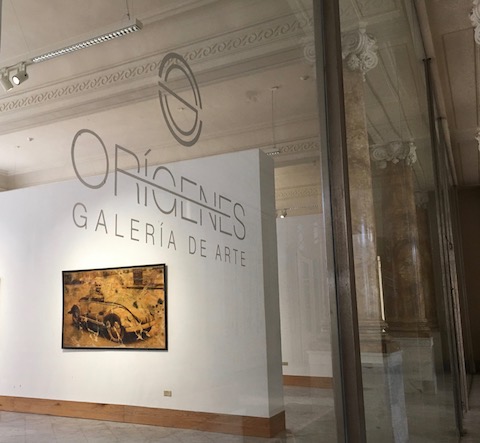
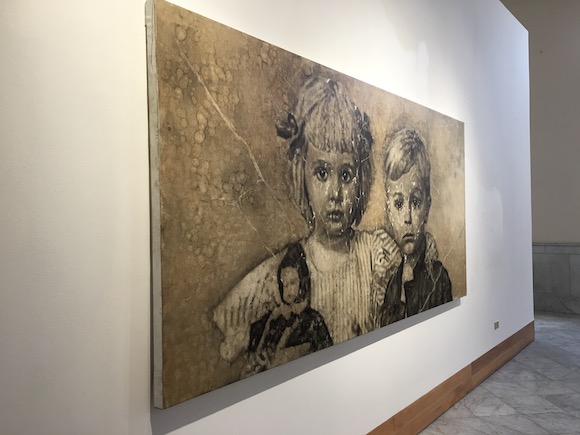
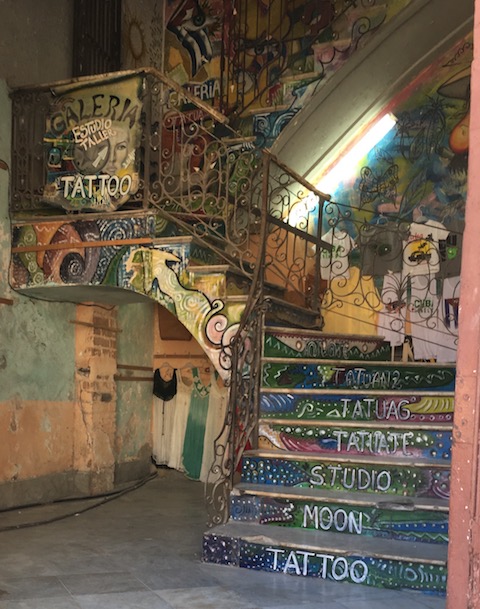
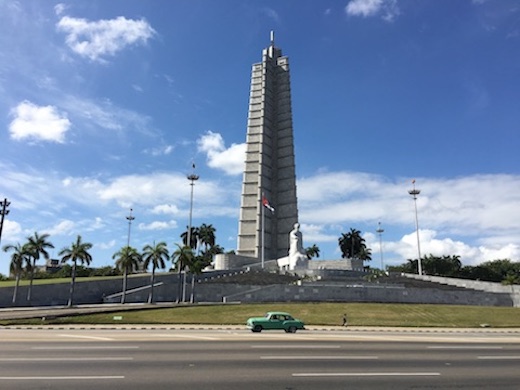
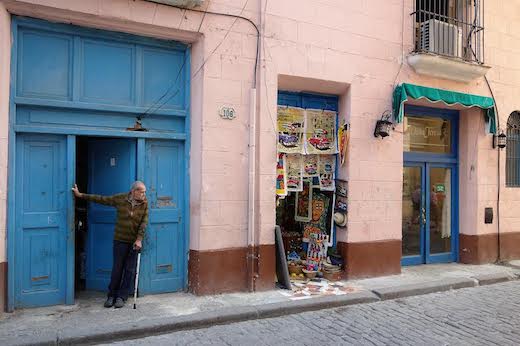
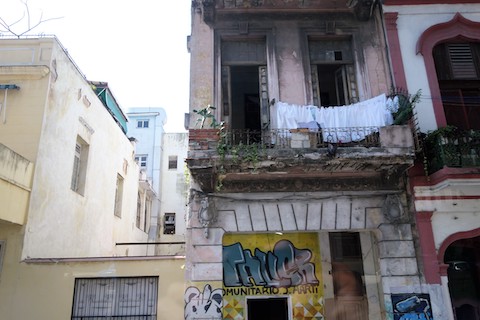
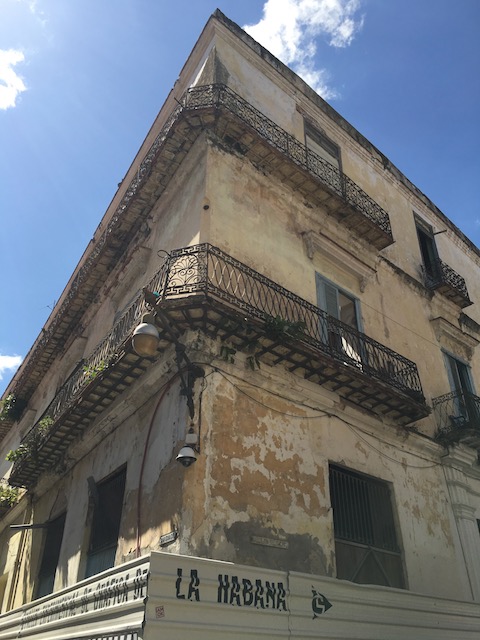
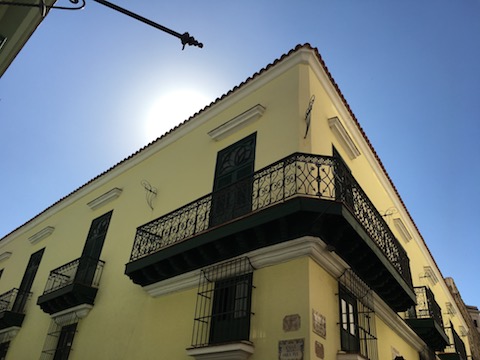
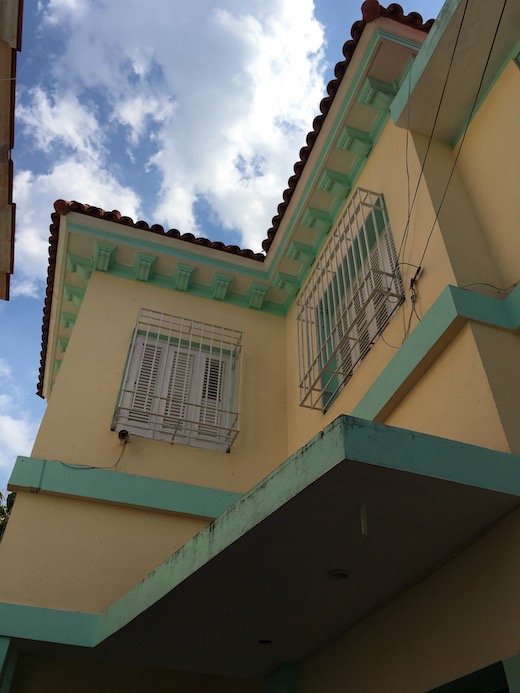
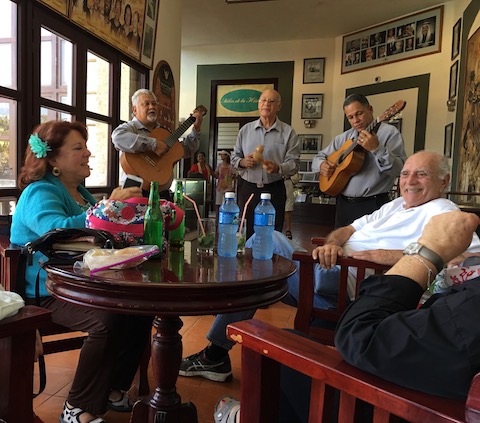
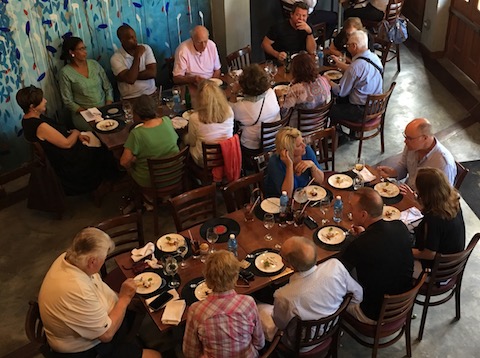
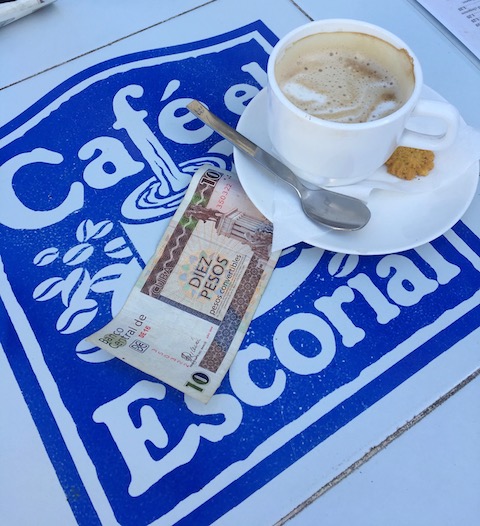
A group of art enthusiasts connected to the Contemporary Art Museum and Graphicstudio at USF in Tampa headed to Cuba for five days in March, joining a long list of groups from Florida who are rapidly making connections and cultivating relationships with our neighbors to the south.
While each visitor sees Cuba through a different lens of experience and perspective, all come away impressed by the people there, especially their spirit, hard work, perseverance and dedication to family and future generations.
The trip led by USF CAM Curator Noel Smith and organized by Suzanne Carlson of Carlson Maritime Travel in Tarpon Springs left memorable impressions that will long stay with the travelers.
Below are a few thoughts from several of those who participated.
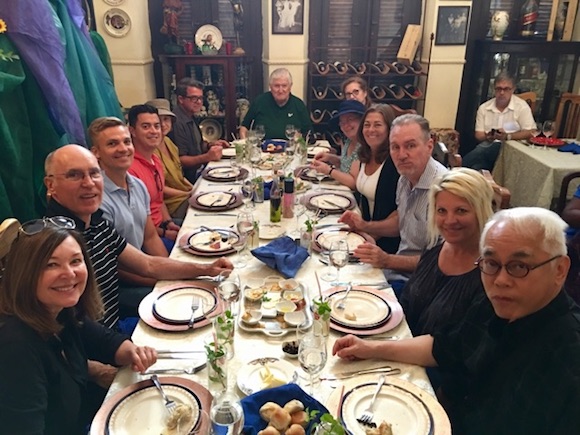
What can smart people learn from Cuba?
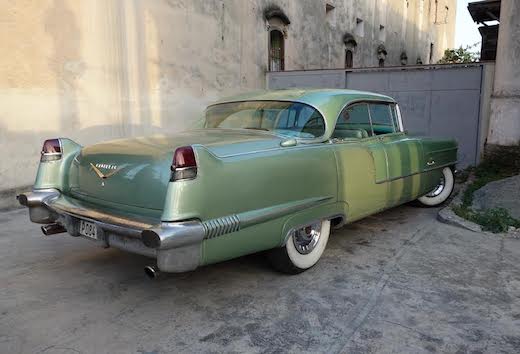
Traveling to Cuba is like entering an Alley Oop Time Machine — you can cruise along the Malecon in a 1950’s convertible feeling the breeze off the Gulf of Mexico, dine in wonderful paladares (private restaurants), enjoy seeing the
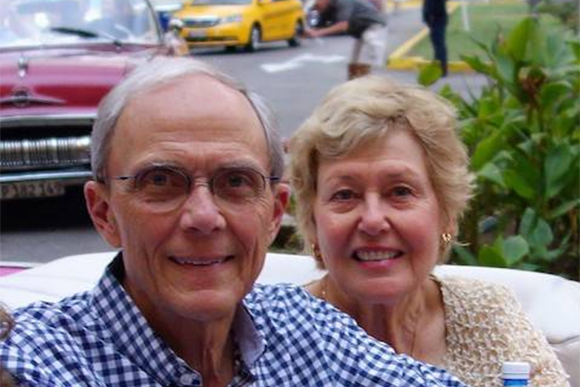
buildings in Old Havana for the beauty they once were and safely walk the streets talking to the friendly Cuban denizens. Yet with the increase in capitalism and normalization with the U.S., shielded from awareness
of travelers are the people imprisoned under communist rule. — Molly Crews, Community Advocate; Jim Crews, Commercial Real Estate, Tampa FL
That people can be happy and productive despite deplorable living conditions and a repressive government. The creative spirit of the Cuban people has made it possible for them to improvise with what they have from before the Revolution and the inferior products they have received from the Russians and East Germans. — Sandy Rief, Attorney, Tampa FL
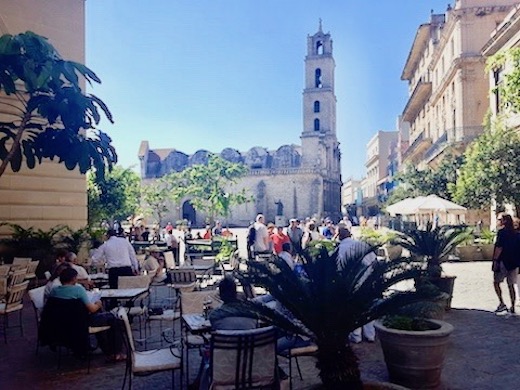
I was surprised and impressed by the beauty of Old Havana in particular. The city layout, streetscape and architecture felt like an old Spanish city. In fact, components of it reminded me a lot of some of the neighborhoods
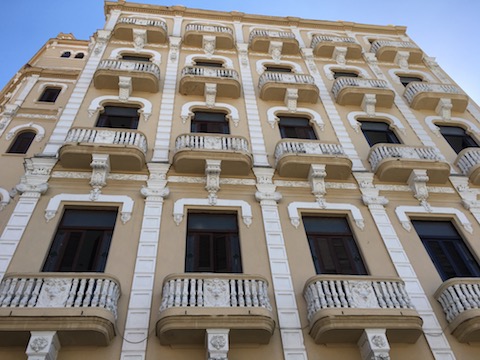
of Barcelona (though, unlike Barcelona, the buildings are mostly in disrepair and, in some cases, falling down). I found both sadness and hope in the architecture of Havana. Sadness because of the beauty of the buildings deteriorating and some being lost forever. Hope in that, as Cuba opens its doors to investment, tourism, etc., many of these buildings will be renovated and preserved. And, in fact, we witnessed a lot of that already happening. I’d love to go back to Old Havana during Cuba’s heyday to see what it was like — the streets, the people, the buildings, the businesses, etc. But I am equally excited to return in one year, five years, 10 years, etc. to see the progress that is being made. — Bryan Moll, Commercial Real Estate Development, Tampa FL
For me, it was an opportunity to revisit and correct impressions I had developed from an earlier visit to Havana.
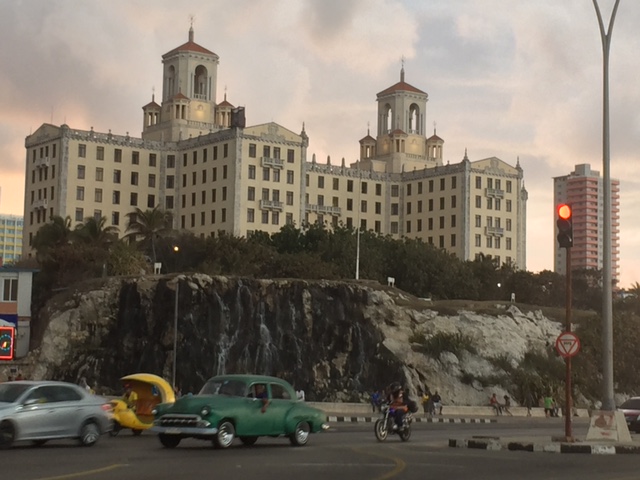
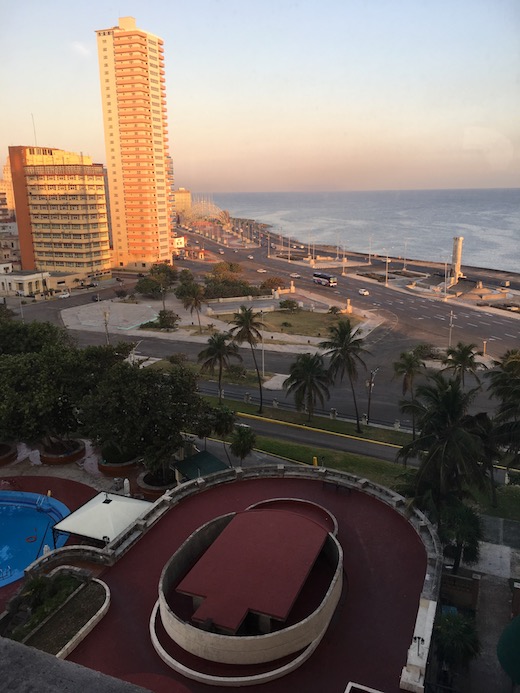
It is clear that the city continues to slowly recover from its years under the economic embargo. The Gran Nacional Teatro de la Habana has clearly undergone significant renovation, whilst the rebuilding of the nearby Parque Central Hotel promises an upgrade in the accommodations available in the core of the old city. The lifting of the embargo has allowed the importation of rebar, concrete and advanced building materials, and the impact will become clear as the streetscape along the Malecon changes. — James Moy, Dean, USF College of the Arts, Tampa FL
The experience was a “once in a lifetime” one for me. I have traveled the world
and lived in China and Costa Rica so I am no stranger to foreign lands with very different political ideologies. The art tour sponsored by USF was a blend of art, food, culture, beauty and exploration. Even though we gathered for only five days as a group, I felt a connection to our group, the Cuban culture, the architecture, the art and the wonderful local people. — Tom Carney, Lead Instuctor-Variable Operations: New Car Department, National Automobile Dealers Association, Washington D.C.
I was really struck by the beauty of the island vs. the servitude of the
people to the government. It was a real lesson in democracy for me. I spent the following week in Portland OR at a national ceramics conference and am struck by the difference in artistic expression of people who are living in freedom versus people in servitude. This is the greatest country in the world. That is what I brought home! — Margaret Pennington, Independent Arts and Crafts professional, Sarasota FL
We can learn to be more grateful for our life in the U.S. and not complain about petty things. Life in Cuba is a hard one. Salaries are almost nonexistent, housing inadequate, medical attention poor and food expensive. Let’s be more thankful for our abundant life and share with others. — Jackie Preis, Community Advocate, Tampa FL
Visiting Cuba is an amazing experience filled with sights, sounds and smells — some good, some bad; all seared into your psyche forever. Our focus was on the arts
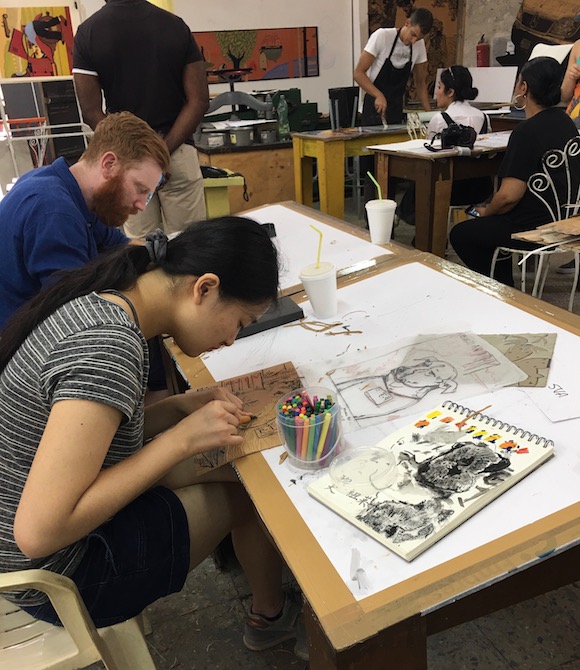
so we spent time in Havana visiting studios, museums and galleries, public art, marketplaces, performing venues and meeting wonderful, welcoming people eager to know more about the U.S. and up to date on American politics. Among recent changes, many people use cellphones and many public squares and green spaces have government-provided wifi though it isn’t free. So people gather at those public places to pick up a signal 24/7. Many people also have access to American TV shows, sports and movies through DVDs. They know HBO and Netflix and watch and share copies of shows like Game of Thrones and Madmen and House of Cards. TV antennas perched on nearly every building pick up only limited Cuban government channels. Imagine the influence more open communications and media are having and will have. — Diane Egner, 83 Degrees Publisher and Managing Editor, Tampa FL
I have always admired the resourcefulness and general good nature of the Cuban people after they have experienced 50+ years of social and political upheaval and material deprivation. Like them, I would wish to make the most of my life no matter what the circumstances, to cherish and protect what truly matters, and to depend less on material goods for my personal satisfaction. — Noel Smith, Curator of Latin American and Caribbean Art at USF, Tampa FL
Havana is a surreal place. Upon arrival at the airport, it is clear immediately that you are “not in Kansas anymore.” Perhaps best described
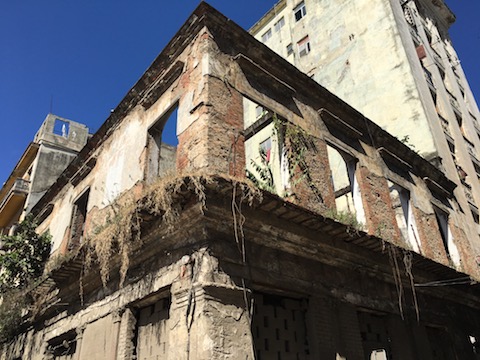
as bittersweet. Wonderful people, beautiful art and architecture, unlimited potential. … all subjugated by a failed political system which has too long attempted to create a socialist utopia, refusing to recognize its obvious shortcomings. Multiple coats of paint on crumbling buildings and old cars cannot hide the suffering endured by generations of Cubans. — Doug Titus, Attorney, Tampa FL
Was there anything you experienced in Cuba that you didn’t expect to find? If so, what?
I was told that the country was like “stepping back in time,” and that it was in ruins.
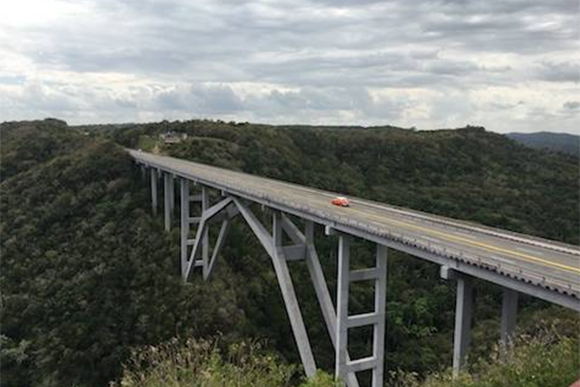
However, I was amazed by the amount of density, and the incredible European influences on the planning and layout of the City of Havana, and the quality and diversity of the architecture. Despite a very poor economy and difficult conditions, there is significant investment coming into the city – which is very promising. The people of Cuba were also very friendly and educated, and the younger generation has a ”style” about them that is very progressive. — James Nozar, Commercial Real Estate Development, Tampa FL
What was your favorite food / meal you had in Cuba?
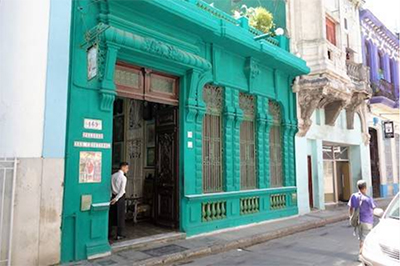
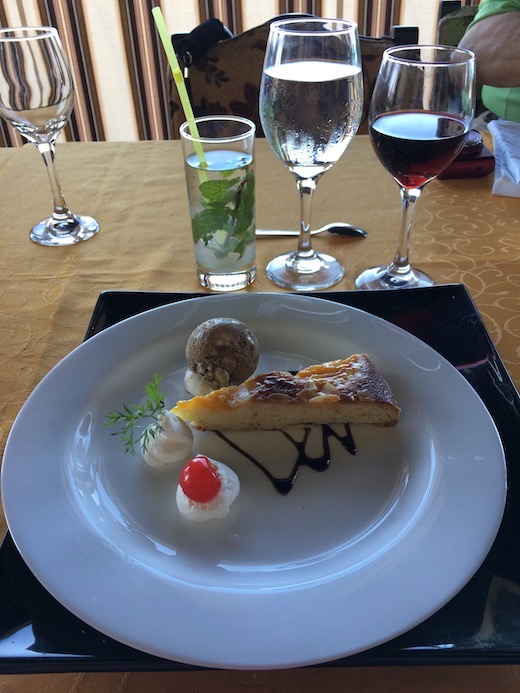
The wonderful Cuban flan at the Habanera Bar & Restaurant and at San Cristobal Paladar – totally different than the Tampa version. — Molly Crews, Community Advocate, Tampa FL and Jim Crews, Commercial Estate, Tampa FL
Our last lunch at the Elite Paladar was one of the best meals I have ever eaten in Cuba.
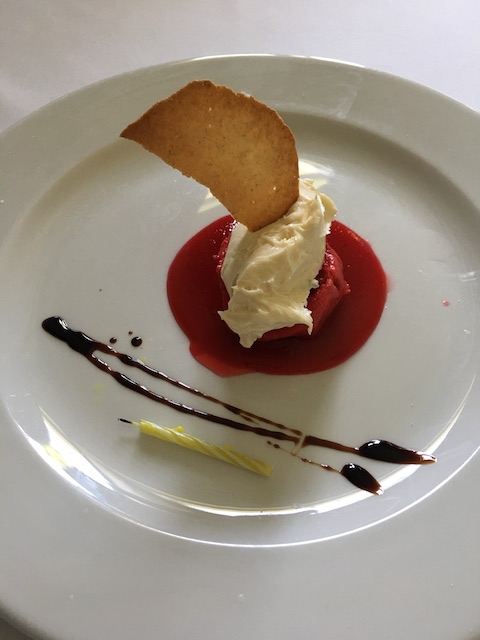
The guava dessert was celestial. The meal overcame the usual restricted array of food available there, and heralds the happy future of the culinary arts on the island. — Noel Smith, Curator of Latin American and Caribbean Art at USF, Tampa FL
The paladares were particularly amazing as each one was as unique as the home it was built from, an experience that all visitors should not miss as the cuisine was truly local.
— Tom Carney, National Automobile Dealers Association, Washington D.C.
The top-rated paladares are on par
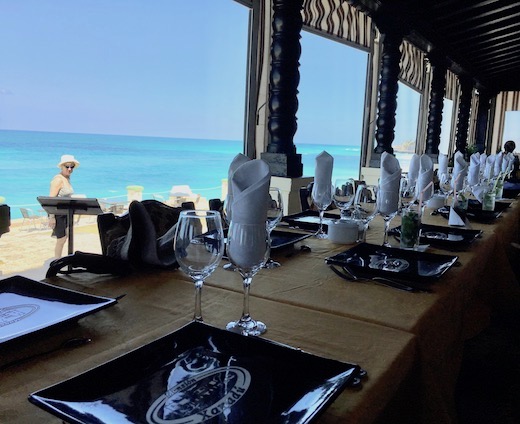
with Tampa restaurants like The Edison and Mise en Place. All serve a variety of dishes and sport well-stocked bars liquors, beers and wines. Tourism is booming, mostly Americans and Europeans. We met folks in Hotel Nacional de Cuba from Chicago, Cleveland, LA, New York, Atlanta, London, Frankfurt, Edinburgh, Berlin, etc. All raved about the plentiful food for tourists though everyone also commented about tales of food shortages for local residents. — Diane Egner, 83 Degrees Publisher and Managing Editor, Tampa FL
How would you describe the art you saw in Cuba?
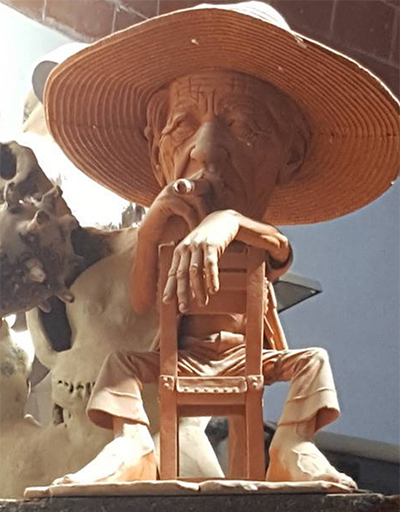
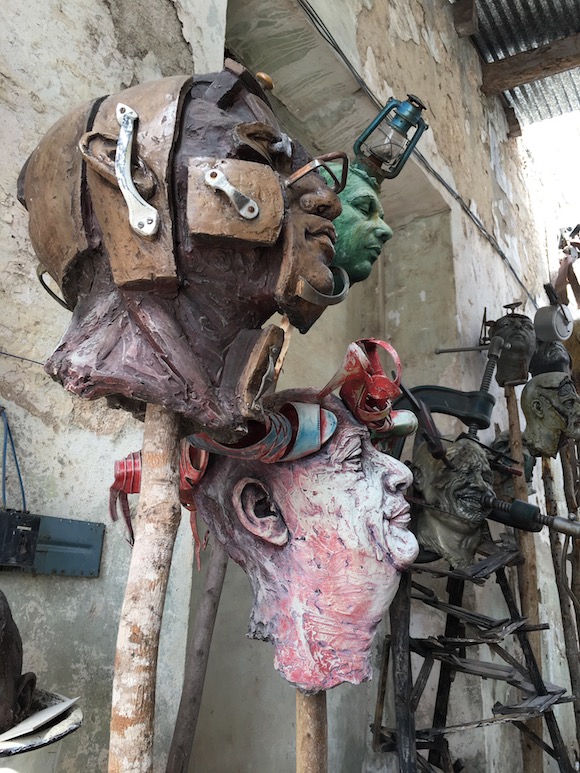
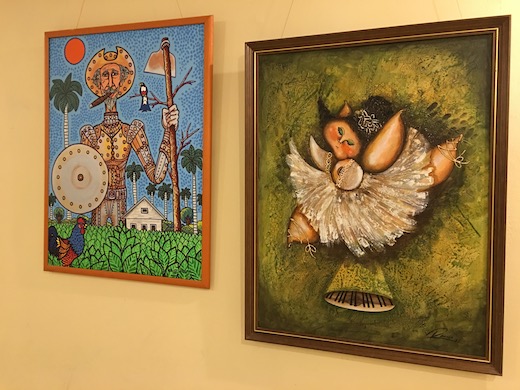
For the most part paintings were black-and-white and reflected the Castro years. Museum pictures had color. Sculpture had more variety in medium and content. We saw few works featuring flowers, animals or happy scenes. — Jackie Preis, Community Advocate, Tampa FL
Progress is slow, but a visit to Instituto Superior de Arte (ISA), reminded me that at the site of what once was Cuba’s most exclusive golf course, there now stands a campus offering free arts education to talented students drawn from
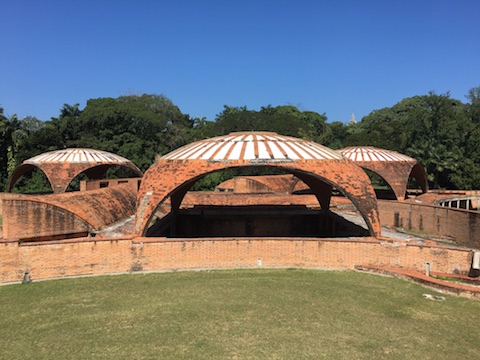
all over the island. Indeed, the old golf course was so exclusive that even Fulgencio Batista, then President of Cuba, could not golf there because he was of mixed-blood. After the revolution, Che Guevara and Fidel Castro launched the construction of the campus to demonstrate a clear commitment to an inclusive Cuban cultural production. It was a great opportunity for me to familiarize myself with the work of Wilfredo Lam, a Cuban painter usually regarded as the “father” of Cuban modernist art. And, finally, there was the great company of art lovers. And, the many engaging conversations over meals and mojitos at Havana’s increasingly sophisticated paladares. — James Moy, Dean, USF College of the Arts, Tampa FL
The galleries were an added treat
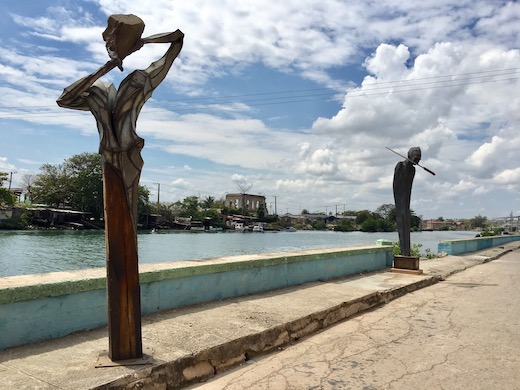
and the generosity of the incredible dedicated artists who provided food and delicious mojitos contributed to the precious memories. My experience and friends I made in the group and on the island will rank this trip in the top 10 of my lifetime! — Tom Carney, National Automobile Dealers Association, Washington D.C.
What part of the trip did you consider
the biggest adventure?
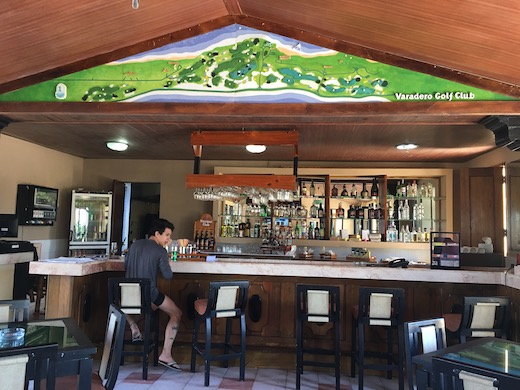
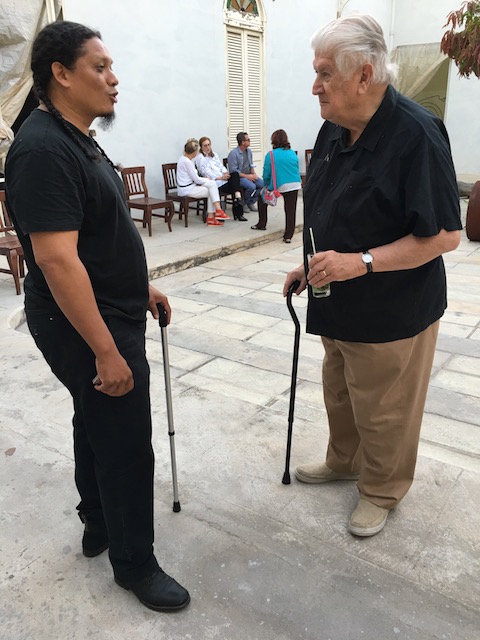
The trip to Xanadu (the Dupont Mansion at Varadero). Getting to see the countryside, the oil fields, Matanzas, the town square, studio work space and the golf course. — Sandy Rief, Attorney, Tampa FL
I ran up and down the Malecon a couple of times. I’m an avid
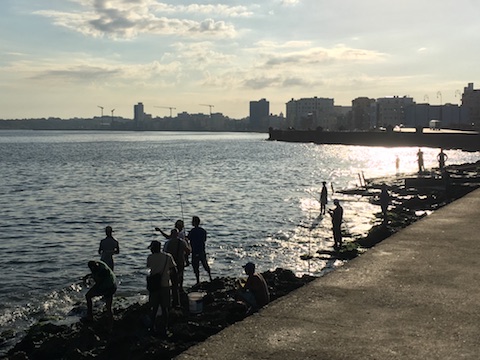
runner, and I have to say that was one of my favorite runs of all time. Dodging the potholes in the sidewalk made it all the more adventurous. All-in-all, I absolutely loved the trip. I was frankly surprised that I liked it as much as I did. — Bryan Moll, Commercial Real Estate Development, Tampa FL
What impressed you most about visiting Cuba?
There are many top moments for us in Cuba. First, our companions were wonderful! Visiting artists’ homes and studios was special; seeing master student artists at work in a most interesting architectural building (National Arts School)
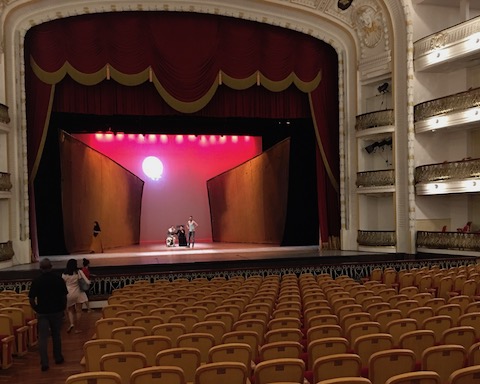
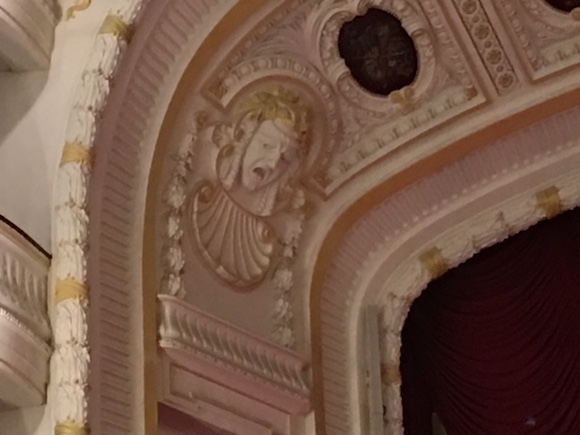
was incredible. Going to the ballet in the refurbished Grand Theatre of Havana was a highlight. Most of all, this was our fourth time in Cuba. Our first visit was a few months before Fidel Castro’s revolution, the next was with Graphicstudio 17 years ago, third was last year with Tampa firm Tucker Hall and this time with the wonderful guidance from Margaret Miller and Noel Smith with Graphicstudio. It’s fascinating to see the changes that are slowing happening everywhere in Cuba. A top example are the restaurants / paladares that are privately owned and serve delicious meals, and recent renovations to the gorgeous architecture in Cuba. — Gail Levine, Art Collector; Arnold Levine, Attorney, Tampa FL
The stark contrasts. People, for the most part, wearing clean clothing that you could find at Walmart or JCPenney, and school kids dressed in
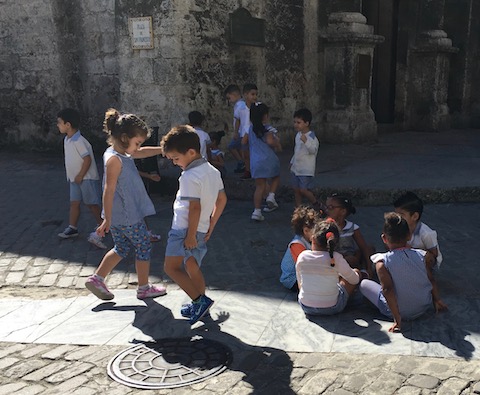
uniforms similar to what you might see at Academy Prep in Tampa. Yet intense poverty, crumbling buildings and sidewalks. Old cars and few bicycles next to brand new Kias, Mercedes, Fiats zipping along relatively modern roads. Tidy tourist spots, yet dust and filth everywhere. Free healthcare for all, yet people walking around with advanced melanoma, tumors and amputations. As a former Midwest farm kid and appreciator of the U.S. National Park Service, I was struck by the abundant opportunities in agriculture and lack of government protection for Cuba’s natural environment. Along the rural countryside from Havana through Matanzas to Varadero, we saw few tractors or modern farm equipment but several single horse-drawn rickety carts. There seemed to be ample coconuts, pineapples, mangos and watermelons, but little evidence of the production of meats and vegetables.

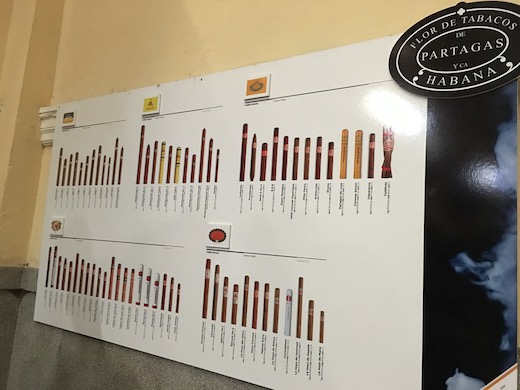
We observed rum distilleries and cigar factories producing some of the best products in the world, yet seemingly held together by crumbling mortar, rust and paint. And, we saw actively pumping oil wells (as well as abandoned pumpjacks) at water’s edge on white sandy beaches, a waterfront that could rival Florida’s coastline for tourism and investment. Cuba is truly the land of unrealized potential. — Diane Egner, 83 Degrees Publisher and Managing Editor, Tampa FL
Author

Related Articles
Powerstories Theatre founder, visionary Fran Powers steps back
Powerstories Theatre founder Fran Powers steps back as executive director after 25-plus years.
Partner Partner Content Children’s Board launches nonprofit job fair
Children’s Board of Hillsborough County job fair helps nonprofit partners fill positions.
Partner Partner Content CDC of Tampa helps reach American dream of homeownership
CDC of Tampa’s innovative programs make housing affordable, attainable, and sustainable.